
Pests
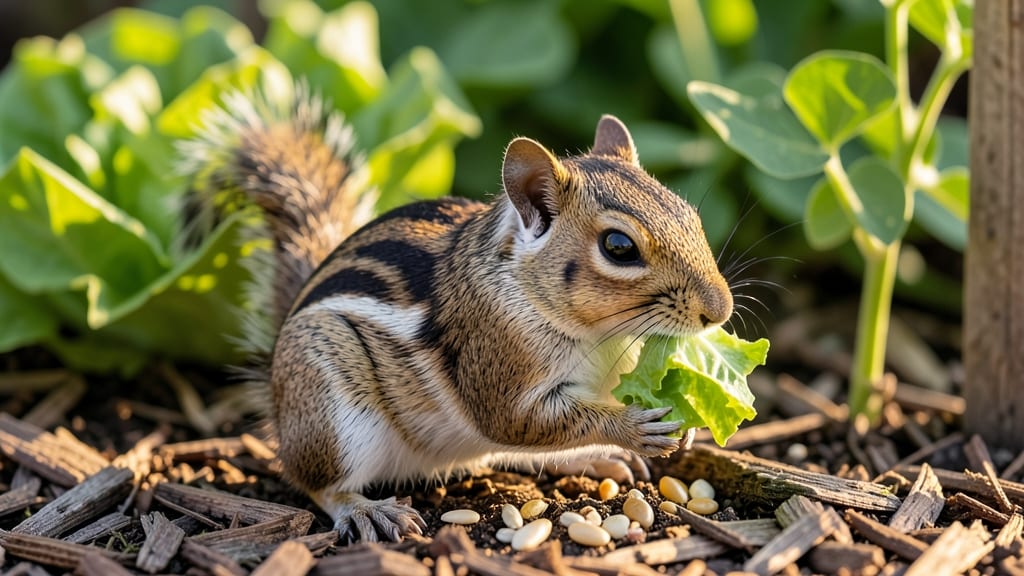
Chipmunks will eat your garden, targeting seeds, bulbs, fruits, and vegetables like tomatoes, beans, and lettuce. Their foraging habits can devastate young plants, making prevention key for healthy gardens.
Chipmunks are notorious garden raiders, especially when they spot tender shoots or ripe produce. 🌱 These small rodents have a particular fondness for soft, young plants like lettuce and peas, often digging up bulbs or stripping leaves from your hard work.
Their habits aren't just annoying—they can completely derail your gardening progress if left unchecked.
What makes them so destructive is their relentless foraging. Unlike squirrels, chipmunks don't just nibble—they'll dig up entire rows of planted seeds or chew through stems, leaving your garden looking like a war zone.
The worst part? They're most active during planting season, when your plants are most vulnerable. Understanding their patterns is half the battle in protecting what you've grown.
💡 In This Article
- Why Chipmunks Target Garden Plants
- Natural and Effective Chipmunk Deterrents for Gardens
Why chipmunks target garden plants
Chipmunks are opportunistic foragers with an insatiable appetite for fresh, tender plant matter. Their diet consists of 60-70% plant-based foods, including seeds, fruits, vegetables, and even bark.
These small rodents have cheek pouches that can hold up to one ounce of food—about 20 sunflower seeds—so they gather as much as possible in short bursts. 🌿 Their natural instinct is to maximize calorie intake, which is why they target your garden's most vulnerable spots: newly planted seeds, sprouting shoots, and ripe produce.
The damage they cause goes beyond simple nibbling. Chipmunks have strong front teeth designed for gnawing, which they use to chew through stems, strip leaves, and dig up bulbs. They'll create shallow trenches around plants to access roots or tunnel into soil to reach buried seeds.
Their digging disrupts root systems, stunting growth or killing young plants entirely. Corn and peas are particularly tempting because their sweet, tender kernels and pods are packed with nutrients—easy energy for a chipmunk on the move.
Seasonal patterns play a huge role in their garden raids. Spring and early summer are peak foraging times because chipmunks need to build fat reserves for hibernation. During these months, they'll consume up to 50% more food than in winter.
Their activity typically peaks at dawn and dusk, which is why you might notice fresh damage just after sunrise or before sunset. This behavior explains why gardens planted in early spring often suffer the most—chipmunks are most active when your plants are most delicate.
What makes them so effective at raiding gardens is their intelligence and adaptability. Chipmunks can remember food sources and will return to the same spots repeatedly. They're also excellent climbers, which means they can reach plants in raised beds or hanging baskets.
Unlike deer or rabbits, they don't leave large, obvious signs of their presence—just scattered seeds, chewed foliage, and tiny holes in the soil that are easy to miss until significant damage has occurred.
Another critical factor is their attraction to moisture and organic matter. Chipmunks are drawn to well-watered garden beds because the damp soil is easier to dig. They'll also investigate compost piles or mulch, seeing them as potential food sources.
This is why gardens with rich, organic soil or frequent watering can become chipmunk magnets. Understanding these preferences is key to implementing effective deterrents—because once they find a food source, they'll keep coming back until it's gone.
Consider this: a single chipmunk can destroy up to 20% of a garden's produce in a season. Their impact isn't just aesthetic—it's a direct threat to your harvest. The good news? Knowing their habits gives you the upper hand in protecting your plants.
By recognizing their targets, seasonal patterns, and behavioral quirks, you can outsmart these persistent pests before they outsmart you. 💫