
Planting
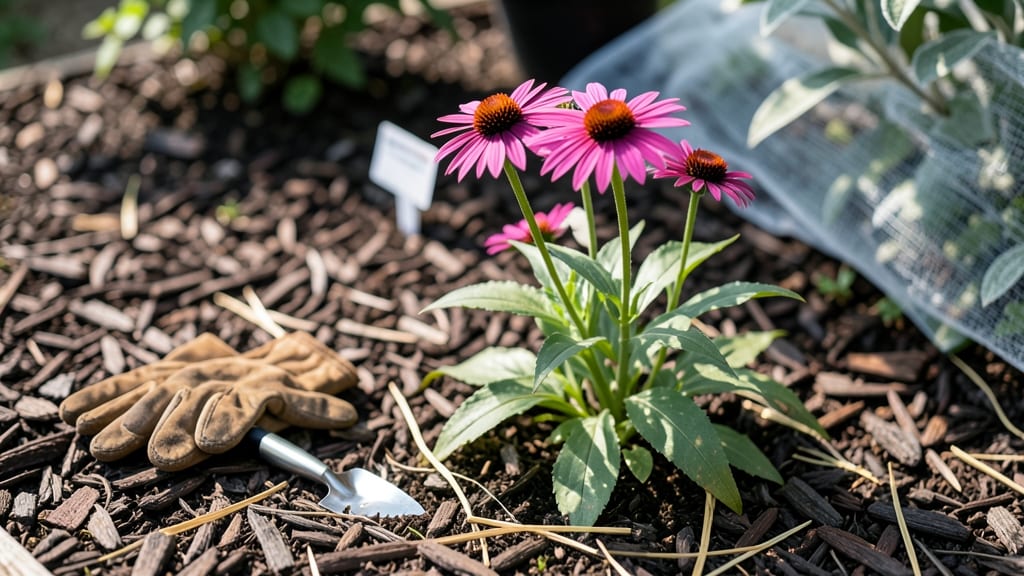
Zone 5B gardening requires selecting cold-hardy plants that tolerate temperatures between -15°F and -10°F (-26°C to -23°C), with precise frost-date timing and protective mulching to shield roots during winter. Plan to start seeds indoors 6-8 weeks before your last frost date—usually mid-March to early April—and use row covers or cold frames to extend growing seasons.
For Zone 5B gardeners, timing is everything—especially since frost dates can shift by 1-2 weeks depending on elevation and local microclimates. 🌱 I always check the USDA Plant Hardiness Zone Map for my specific county, then adjust my planting schedule based on historical frost records from my local cooperative extension office.
Layered mulching with straw or shredded leaves adds an extra 5-10°F of protection to roots, which makes a huge difference during those brutal winter dips.
Beyond timing, selecting the right plants is key. While Zone 5B can handle hardy perennials like coneflowers and catmint, tender crops like tomatoes and peppers need to be started indoors early or grown in containers that can be moved indoors before the first frost.
The secret to success? Start with frost-tolerant varieties and use succession planting to keep your garden productive throughout the season.
💡 In This Article
- Understanding Zone 5B Frost Dates and Microclimates
- Best Cold-Resistant Plants for Zone 5B Gardens
Understanding zone 5B frost dates and microclimates
Zone 5B's frost dates aren't uniform—they can vary by 10-14 days depending on elevation and local topography. Higher elevations (like mountain foothills) experience earlier frosts due to cooler air settling, while valleys often enjoy 2-3 weeks longer growing seasons.
Wind exposure is another critical factor: open fields cool faster at night, while sheltered areas near buildings or dense foliage maintain 5-10°F warmer temperatures during frost events.
The USDA Plant Hardiness Zone Map provides baseline data, but local climate records reveal the real story. For example, in northern Illinois (Zone 5B), average last frost dates range from April 15-30, while western Pennsylvania might see frost linger until May 10-20.
To pinpoint your exact window, I cross-reference USDA data with 30-year frost records from your county's cooperative extension service—this gives you a 90% accuracy prediction for safe planting.
Microclimates create planting opportunities even within tight frost windows. A south-facing slope warms faster in spring, allowing you to plant heat-loving crops like beans 2 weeks earlier than in shaded areas.
Conversely, low-lying spots with poor drainage can experience late-season frosts even after the official last frost date, so I always plant frost-sensitive crops like tomatoes in raised beds with excellent drainage.
Historical data shows that Zone 5B's first fall frost typically arrives between October 15-30, but this varies by 1-3 weeks based on latitude. For instance, northern Wisconsin gardens may see frost by October 10, while Ohio gardens often hold out until November 1.
This variation explains why some gardeners in Zone 5B successfully grow tender crops like peppers using black plastic mulch, which raises soil temperatures by 5-8°F and extends the growing season by 2-3 weeks.
Wind plays a surprising role in frost survival. Cold air is denser and sinks, so wind can actually push frost away from plants. This is why I strategically place windbreaks—like evergreen hedges or cornstalks—on the north and west sides of my garden.
These barriers create a 3-5°F warmer microclimate in their lee, protecting young seedlings during early spring frosts.
For precise planning, I use a simple formula: subtract 10 days from your average last frost date for early spring crops (like peas and spinach) and add 14 days for heat-loving plants (like tomatoes).
This accounts for the 50% chance of late frosts after the official date—because in gardening, timing isn't just about averages, it's about managing risk.
Remember: frost dates are just one piece of the puzzle. The real magic happens when you combine this data with soil temperature readings (seeds need 40-60°F to germinate) and your plants' specific cold tolerance ratings. This layered approach gives you the confidence to push your garden's limits—safely.