
Companion Plants
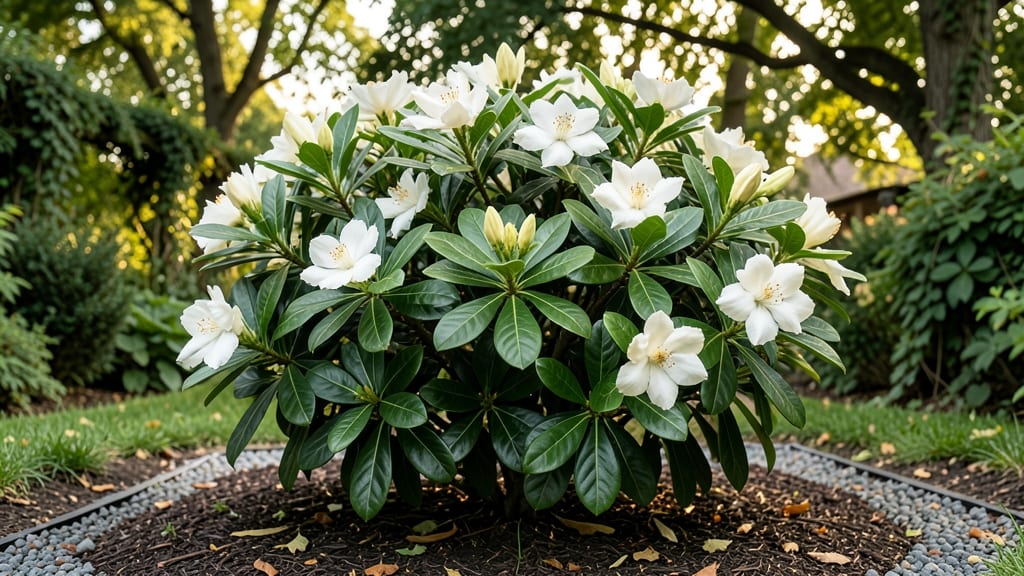
Gardenias do smell good, delivering a luxurious, velvety floral aroma that's both sweet and slightly creamy—think of a tropical breeze mixed with jasmine's elegance. Their fragrance peaks in the evening, making them a garden favorite for their intoxicating, long-lasting scent that perfumers and florists adore.
This intoxicating aroma comes from natural compounds like linalool and benzyl acetate, which create that signature creamy, slightly citrusy note. 🌸 Unlike many flowers that fade quickly, gardenias release their scent gradually, especially when the temperature rises—perfect for evening garden strolls.
What makes them unique is their ability to linger in the air for hours, even after the blooms have opened.
Many gardeners swear by varieties like Gardenia jasminoides for their intense fragrance, though Fortuniana hybrids also deliver impressive scents. To maximize their aroma, plant them in well-draining soil with partial shade and consistent moisture—they thrive in conditions that mimic their native tropical habitats.
💡 In This Article
- Why Gardenia Fragrance Stands Out Among Flowers
- Best Gardenia Varieties for Strongest Scent and Growing Tips
Why gardenia fragrance stands out among flowers
The gardenia's signature scent comes from a complex blend of volatile organic compounds, primarily linalool (which contributes its creamy, floral notes) and benzyl acetate (adding a subtle sweetness). These compounds are released through tiny pores in the petals when temperatures rise, creating that intoxicating aroma.
For comparison, a single gardenia flower can emit up to 100 times more linalool than a rose, making its fragrance both richer and more persistent in the air.
Heat and humidity act as natural amplifiers for gardenia scent. Studies show that when temperatures reach 75-85°F and humidity stays above 60%, the flower's volatile compounds vaporize more efficiently, carrying their fragrance farther.
This is why gardenias are often called "evening flowers"—their scent peaks at dusk when these conditions are ideal. In perfumery, this natural amplification is replicated using synthetic linalool, which is why gardenia-inspired fragrances often have that signature velvety depth.
The fragrance's unique texture comes from its chemical composition. Unlike jasmine (which has a sharper, more citrusy edge) or tuberose (which leans heavier on musky notes), gardenias balance sweetness with a creamy, almost buttery undertone.
This complexity makes them a favorite in high-end perfumes like Chanel No. 5 and Yves Saint Laurent Black Opium, where they're used to create a luxurious, skin-like scent.
The fragrance also contains trace amounts of geraniol, which adds a faintly tropical dimension that sets it apart from other florals.
What makes gardenias particularly remarkable is their ability to retain fragrance even after the blooms wilt. The petals continue releasing volatile compounds for 24-48 hours post-bloom, which is why dried gardenias are often used in potpourri blends.
This longevity is due to the flower's thick, waxy cuticle that slows moisture loss, preserving the aromatic compounds longer than most flowers. In traditional medicine, gardenia extracts are also valued for their calming properties, thanks to these same compounds interacting with human olfactory receptors.
For gardeners looking to maximize scent, timing is everything. Planting gardenias where they receive morning sun and afternoon shade ensures they stay cool during peak heat, preventing the scent from "burning off" too quickly.
Mulching with organic matter like compost also helps maintain soil moisture, which indirectly supports stronger fragrance production. The key is replicating their native tropical environment as closely as possible—consistent moisture, partial shade, and warm (but not scorching) temperatures all contribute to that signature intoxicating aroma.