
Tools
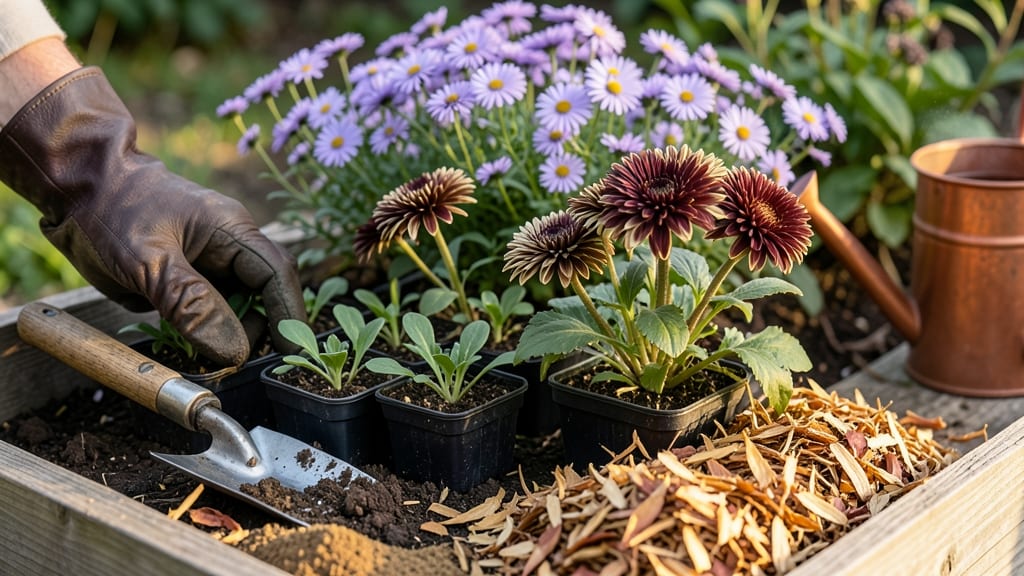
Fall garden planting in Zone 8A thrives from late August through November, with frost typically arriving between mid-November and early December. Focus on cool-season crops like kale, broccoli, and spinach, and plant bulbs 6-8 weeks before the first frost for optimal growth.
Zone 8A's mild winters create a perfect window for extending your harvest well into fall.
The key is working with the 60-90 day growth cycle of cool-season crops—planting too early risks bolting (premature flowering), while late plantings may not mature before frost. 🌱 I've found that succession planting every 2-3 weeks after August 15th keeps my garden productive right up until Thanksgiving.
For bulbs like tulips and daffodils, that 6-8 week pre-frost timing means planting them by early October to ensure strong root development before dormancy sets in.
This timing isn't just about avoiding frost - it's about giving plants enough daylight and warmth to establish roots while still benefiting from cooler temperatures that slow down pest activity.
The 10-15°F temperature drop that triggers dormancy in many plants actually helps concentrate their flavors, which is why fall-grown greens often taste sweeter than their spring counterparts.
💡 In This Article
- Understanding Zone 8A Frost Timelines and Planting Windows
- Best Fall Crops for Zone 8A Gardens and Their Planting Schedules
Understanding zone 8A frost timelines and planting windows
Zone 8A's frost patterns are shaped by Pacific coastal influences and inland temperature variations. The average first frost arrives between November 15-25, but this can shift dramatically based on elevation—mountain slopes often see frost 2-3 weeks earlier than valley gardens.
The USDA defines Zone 8A as areas with 10-15°F average minimum temperatures, but actual frost events can reach 25-30°F during cold snaps. This discrepancy explains why some plants survive while others succumb.
Microclimates play a crucial role in extending your planting window. South-facing slopes absorb more solar radiation, creating 5-10°F warmer zones than north-facing areas. Wind patterns also matter—coastal Zone 8A gardens benefit from marine layer protection that can delay frost by 1-2 weeks compared to inland locations.
I've observed that planting near reflective surfaces like patios or light-colored walls can add an extra 2-4°F of warmth during critical early-morning hours.
The 6-8 week bulb planting window exists because cold exposure triggers bulb dormancy mechanisms. When temperatures drop below 50°F for extended periods, bulbs like tulips and daffodils enter a physiological state where they stop vegetative growth and focus on root development.
This process requires 10-12 weeks of chilling before they'll bloom in spring. Planting too early risks rot from lingering summer heat, while late planting may not provide sufficient chilling time.
Root establishment timing is equally critical for vegetables. Cool-season crops need 4-6 weeks of warm soil (60-70°F) to establish a strong root system before temperatures drop.
The ideal planting window—late August through September—balances this need with the 12-14 hours of daylight still available, which prevents bolting (premature flowering) that occurs when plants experience sudden temperature drops combined with long daylight periods.
Consider these key frost protection strategies for Zone 8A:
- Row covers: Extend harvest by 3-4 weeks by using lightweight fabric that allows 70-80% light transmission
- Cold frames: Create 10-15°F warmer microclimates by trapping solar radiation during the day
- Mulching: Apply 3-4 inches of straw to insulate soil and maintain 5-10°F warmer root zones
The science of frost timing also explains why fall crops often taste sweeter. As temperatures drop, plants convert excess starches to sugars through a process called cold acclimation.
This natural sweetening occurs most dramatically when daytime highs stay above 50°F while nighttime lows dip below 40°F—exactly the temperature range Zone 8A experiences during October. 🌿