
Pests
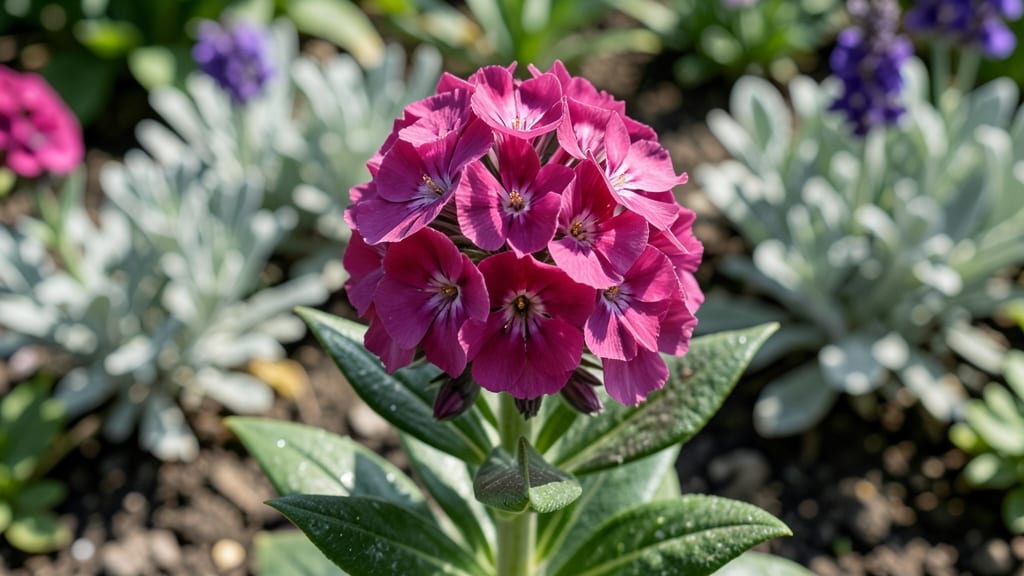
Deer-resistant garden phlox varieties like 'David' phlox, 'Lavender Lace,' and 'Blue Ridge' deter deer naturally through their strong fragrance and coarse foliage, making them perfect for gardens that need minimal upkeep while keeping wildlife at bay. Plant them in well-drained soil with partial shade for optimal growth.
Deer tend to avoid these phlox types because their intense floral scents and tough leaves make them unappealing snacks. 🌿 The key is selecting varieties with dense growth habits—they create a physical barrier that's harder for deer to navigate, plus the aromatic foliage acts as a natural repellent.
I've found that planting these near high-traffic garden areas provides the best protection, as deer are less likely to linger where they can be easily spotted.
For maximum effectiveness, pair these phlox with other deer-resistant plants like lavender or Russian sage. This creates a multi-layered defense system that's both beautiful and functional. The right placement—especially near pathways or prized plants—can dramatically reduce browsing damage in your landscape.
💡 In This Article
- Why Deer Avoid Certain Phlox Varieties
- Top 5 Deer-Resistant Phlox Varieties for Gardens
Why deer avoid certain phlox varieties
Deer resistance in phlox comes down to three key botanical factors: fragrance intensity, leaf texture, and chemical compounds. The most effective varieties produce volatile oils in their foliage that create a strong, often minty or citrusy aroma—something deer find unpleasant.
For example, 'David' phlox contains high levels of monoterpenes, the same compounds that give mint its signature scent and deter herbivores. These oils aren't just in the flowers but throughout the plant, making every leaf less appealing to nibble.
The leaf structure plays a crucial role too. Deer-resistant phlox varieties develop coarse, slightly fuzzy foliage that feels rough to the touch—almost like fine sandpaper.
This texture makes chewing difficult and uncomfortable, which is why deer prefer smoother-leaved plants like hostas. 🌿 The foliage of 'Blue Ridge' phlox, for instance, has tiny glandular hairs that release additional aromatic compounds when disturbed, creating an even stronger deterrent.
Studies show deer will avoid plants that trigger these chemical defenses, as the act of browsing actually increases the plant's repellent properties.
Growth habits also contribute significantly to deer resistance. Taller varieties like 'Lavender Lace' (reaching 3-4 feet) create a dense, vertical barrier that's harder for deer to navigate than low-growing ground covers.
The compact, clumping growth of these phlox types forces deer to work harder to reach the foliage, and the sheer volume of leaves makes selective browsing less efficient.
This physical deterrent works best when planted in groups of 3-5 plants, creating a living hedge that's visually appealing while serving its protective purpose.
Seasonal factors come into play as well. While deer may avoid phlox during active growth periods, some varieties become more vulnerable when flowering stops and new growth is tender. That's why pairing deer-resistant phlox with other seasonal deterrents—like early-blooming bulbs or late-season ornamental grasses—creates a year-round protective strategy.
The key is maintaining healthy plants, as stressed or nutrient-deficient phlox produces weaker chemical defenses and softer foliage that deer find more tempting.
Interestingly, color can influence deer behavior too. While color alone doesn't determine resistance, varieties with lighter foliage (like 'Jeana' phlox with its silvery-green leaves) often appear less appetizing to deer than darker green plants. This visual cue, combined with the other factors, makes these varieties particularly effective in garden settings.
The lighter foliage also reflects more sunlight, which can make the plants appear less inviting in deer's natural foraging patterns.
For gardeners looking to maximize deer resistance, understanding these botanical mechanisms allows for strategic plant placement. Positioning phlox near high-value plants creates a natural buffer zone, while interplanting with other deer-resistant species creates a multi-layered defense system.
The result is a garden that's both beautiful and functional, requiring minimal additional intervention to maintain its protective qualities.