
Tools
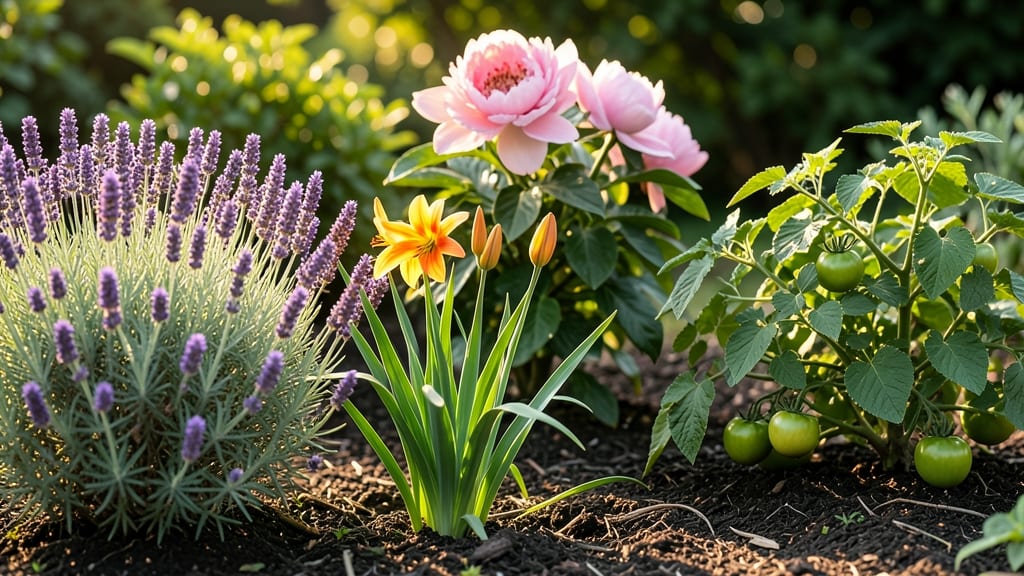
Garden Zone 7 covers a broad climate range where winter lows typically fall between 0°F and 10°F (-18°C to -12°C), making it ideal for growing perennials like roses, fruit trees, and hydrangeas year-round. Within this zone, microclimates can vary by up to 5°F, so plant selection and site placement matter for success.
Understanding Zone 7 means recognizing its diverse sub-regions—from the milder Pacific Northwest to the colder Appalachian areas. 🌿 The USDA map breaks this down into 10°F increments, but real-world conditions often create pockets where plants thrive beyond their official hardiness ratings.
For example, a south-facing wall can add 2-3°F of warmth, while a shaded low spot might drop temperatures by the same amount. This is why gardeners in Zone 7 often experiment with cold-hardy varieties or protective techniques like mulching or windbreaks.
What sets Zone 7 apart is its ability to support both cold-tolerant perennials and tender annuals when managed properly. 🌸 The key is matching plants to specific microclimates—like planting heat-loving vegetables near a brick wall or choosing frost-resistant roses for northern exposures.
Many gardeners here extend seasons by using row covers or cold frames, turning Zone 7 into a four-season growing powerhouse.
💡 In This Article
- How to Read and Apply the USDA Plant Hardiness Zone 7 Map
- Creating Microclimates in Zone 7 Gardens for Extended Planting Seasons
How to read and apply the USDA plant hardiness Zone 7 map
The USDA Plant Hardiness Zone Map divides Zone 7 into two distinct sub-zones: 7a (0°F to 5°F / -18°C to -15°C) and 7b (5°F to 10°F / -15°C to -12°C). These zones reflect the average annual minimum temperature over a 30-year period, which is why your exact location matters.
For example, a garden in Asheville, NC (Zone 7a) might experience 200 frost-free days, while one in Portland, OR (Zone 7b) could have 220 frost-free days. The map uses color-coded boundaries to show these differences, but remember—these are averages, not guarantees.
What's fascinating is how the map accounts for transition zones where temperatures might blur between 7a and 7b. These areas often create challenges for gardeners trying to decide which plants will thrive.
For instance, peach trees (hardy to 0°F) might survive in 7a, while figs (hardy to 15°F) would only succeed in 7b. The interactive USDA zone finder lets you pinpoint your exact zone down to the nearest 5°F increment, which is crucial for selecting the right plants. 🌡️
Beyond temperature, Zone 7's frost patterns vary dramatically. Coastal areas like Seattle experience lighter frosts due to ocean moderation, while inland regions like the Appalachians can see harder, longer-lasting freezes.
This is why gardeners in Zone 7 must consider last frost dates—typically between April 15 and May 15—when planning spring plantings. The USDA map doesn't show frost timing, so local agricultural extensions or historical weather records become essential tools for accurate planning.
One common misconception is that Zone 7 is uniformly mild. In reality, elevation changes can create dramatic shifts.
A garden at 1,000 feet elevation might be Zone 7a, while the same garden at 3,000 feet could drop into Zone 6a. This is why many Zone 7 gardeners use microclimate adjustments—like planting heat-loving vegetables near south-facing walls—to create pockets of warmth for tender crops.
The map provides the baseline, but your specific site conditions often determine what will actually grow successfully. 🌱
For practical application, start by using the USDA's interactive map to find your precise zone. Then, cross-reference with local plant success stories—many nurseries maintain records of what thrives in your specific area.
Pay attention to wind exposure too: wind can drop temperatures by 5-10°F in exposed areas, while sheltered spots may stay several degrees warmer. This is why some gardeners in Zone 7 successfully grow plants rated for Zone 6 in protected microclimates.
Consider these key factors when using the map:
- Temperature extremes: Zone 7's range means some years will be colder than the average minimum, so choose plants with a 5°F safety margin
- Soil conditions: Clay soils stay colder longer than sandy soils, affecting plant survival
- Sun exposure: South-facing slopes warm up faster than north-facing areas
- Urban heat islands: Cities can be 2-10°F warmer than surrounding rural areas
The beauty of Zone 7 is its flexibility—with careful planning, you can grow everything from hardy fruit trees to tropical-inspired plants. The key is treating the zone map as a starting point, not an absolute rule.
Many successful Zone 7 gardens push boundaries by creating microclimates that extend growing seasons or protect tender plants from unexpected cold snaps. 💫