
Flowers
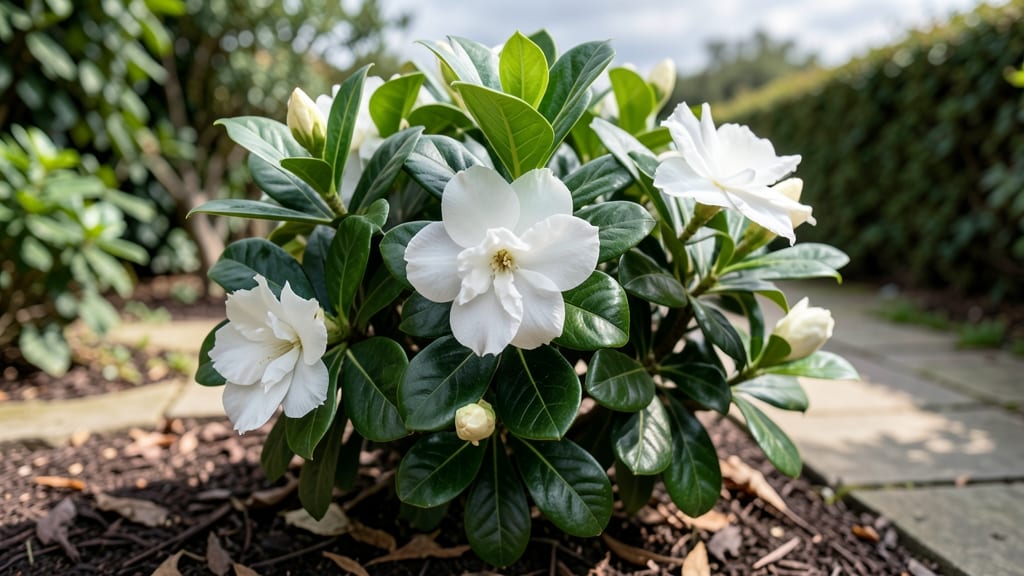
Growing gardenias in Texas requires smart heat management and humidity control: plant them in partial shade, water them deeply but infrequently, and use mulch to lock in moisture without drowning the roots. Opt for heat-tolerant varieties like 'Radicans' or 'Kleim's Hardy' to handle Texas's intense summers.
Texas's sweltering summers and occasional humidity spikes can stress gardenias, but the right approach makes them thrive. 🌿 These tropical beauties need protection from harsh afternoon sun—think dappled shade under oak trees or near east-facing walls.
The key is balancing moisture: too little causes wilting, while soggy soil invites fungal diseases. I've found that adding a 2-inch layer of pine bark mulch keeps roots cool while reducing evaporation, which is especially helpful during our 90°F+ heatwaves.
For best results, focus on heat-resistant varieties that handle Texas's climate better than standard types. 'Radicans' and 'Kleim's Hardy' are top performers because they've been bred to withstand higher temperatures. Prune them lightly after flowering to encourage bushier growth, and avoid heavy trimming in summer when they're already stressed.
The secret? Mimicking their native tropical conditions without overdoing it—just enough shade, just enough water, and just the right variety.
💡 In This Article
- Texas Climate Challenges for Growing Gardenias
- Best Texas-Friendly Gardenia Varieties and Care Tips
Texas climate challenges for growing gardenias
Texas's climate presents unique hurdles for gardenias, primarily through extreme heat and fluctuating humidity. These tropical plants thrive in USDA zones 8-10, but Texas's 90°F+ summers push them to their limits. The real challenge?
Root stress from heat combined with poor air circulation, which creates the perfect storm for fungal diseases like powdery mildew. Gardenias also struggle with drought sensitivity—when temperatures climb, their large leaves transpire water rapidly, leading to wilting if not watered properly. 🔥
The key mechanism here is how gardenias respond to heat stress. Their thick, glossy leaves are adapted to conserve moisture in humid climates, but Texas's dry heat forces them to work overtime.
Without adequate shade, leaf temperatures can exceed 100°F during peak afternoon sun, causing protein denaturation in cells and stunted growth. This is why partial shade—especially from deciduous trees—is critical. I've seen gardenias planted under oak trees in Austin thrive, while those in full sun wither by midsummer.
Humidity plays a double-edged sword in Texas. While gardenias love moisture, stagnant air from high humidity without proper airflow creates fungal risks. The ideal solution? Plant in areas with 30-50% afternoon shade and ensure good air circulation.
A gentle breeze helps evaporate excess moisture from leaves, reducing disease pressure. Mulching with 2-3 inches of pine bark also helps by insulating roots while preventing soil temperature spikes that can shock the plant.
Soil composition matters just as much as climate. Gardenias prefer well-draining, slightly acidic soil (pH 5.0-6.5), but Texas's native clay soils often compact and retain too much moisture. Amending with sand and peat moss creates the perfect balance—sand improves drainage while peat holds moisture without suffocating roots.
In Houston, I've had success with raised beds filled with a 50-50 mix of native soil and composted pine fines, which mimics their natural habitat while adapting to local conditions.
Seasonal timing is another critical factor. Gardenias in Texas enter dormancy during our mild winters, but sudden cold snaps (32°F) can damage new growth. To mitigate this, plant in sheltered microclimates—near south-facing walls or under evergreen trees that provide winter protection.
The goal is to replicate their native tropical conditions as closely as possible while accounting for Texas's extremes. 💫
What most gardeners overlook is the importance of root aeration. Compacted soil limits oxygen flow, which gardenias need for healthy root development. Aerating the soil annually with a garden fork or adding organic matter like composted leaves improves porosity.
This simple step can mean the difference between a struggling plant and one that blooms prolifically through Texas's long growing season.