
Tools
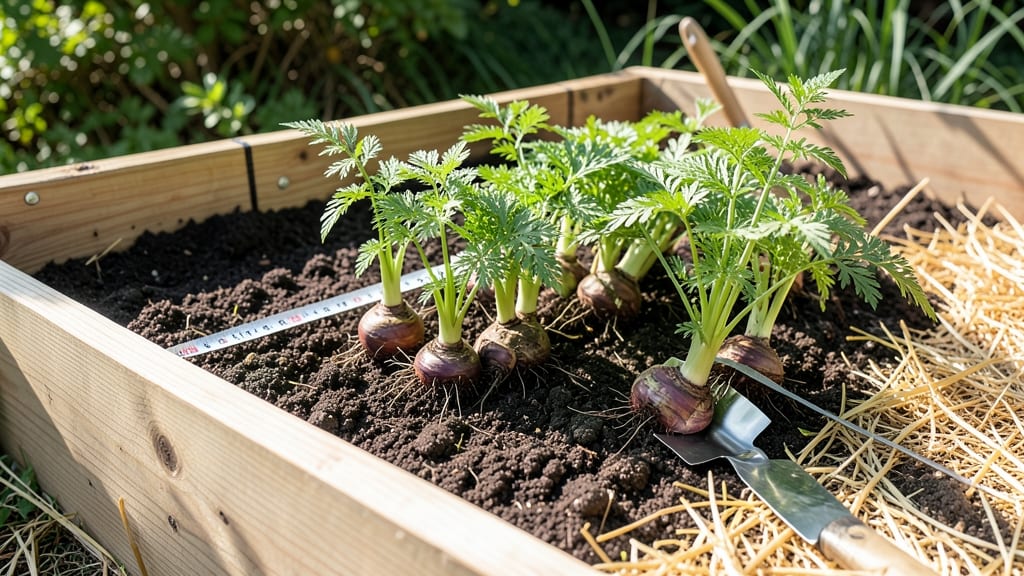
Determining optimal raised garden bed depth means planning for 6 to 12 inches of soil for most vegetables, while deeper-rooted crops like carrots or potatoes need 12 to 18 inches. This extra depth enhances drainage, supports larger root systems, and prevents soil compaction over time.
Raised bed depth isn't just about fitting plants—it's about creating the right environment for their roots to thrive. 🌱 Shallow-rooted plants like lettuce or basil only need about 6 inches of soil, but deeper beds let you grow a wider variety of crops without sacrificing space.
The extra inches also help with moisture retention and temperature regulation, which is especially helpful in hot climates where soil can dry out quickly. Plus, deeper beds reduce the risk of weeds competing with your plants for nutrients.
For container gardening or small spaces, you can still maximize growth by using layered soil mixes with compost and organic matter. This approach mimics natural soil conditions while working within limited depth constraints.
Just remember—even with shallower beds, proper soil preparation and regular mulching can make a big difference in plant health and yield.
💡 In This Article
- How Root Systems Determine Raised Bed Depth Requirements
- Plant-Specific Raised Bed Depth Guidelines for Common Crops
How root systems determine raised bed depth requirements
The depth you need in a raised bed starts with understanding how different plants grow roots. Plants like lettuce or radishes have fibrous root systems that spread widely but stay shallow—typically needing just 6 inches of soil.
Their roots absorb nutrients from the top layer, where organic matter is most concentrated. In contrast, taproot vegetables like carrots or parsnips send a single, thick root deep into the soil to access moisture and nutrients at lower levels, requiring 12-18 inches of loose, aerated soil to develop properly.
Soil aeration becomes critical in deeper beds because compacted soil restricts root growth and oxygen flow. When you till or mix compost into the soil, you create pockets that allow roots to expand freely.
For example, a 12-inch-deep bed packed with 60% topsoil and 40% compost provides the ideal balance of nutrients and air space for medium-rooted crops like beets or bush beans. Without this depth, roots can become stunted, leading to smaller yields or plants that topple over in wind or rain. 🌱
Temperature regulation is another key factor tied to depth. Shallow beds (6 inches) heat up faster in sunlight, which can stress shallow-rooted plants like herbs or greens. Deeper beds act like insulators, keeping root zones cooler during summer heatwaves.
This is why perennials like asparagus or rhubarb thrive in 12-inch+ beds—their crowns stay protected from extreme temperatures while their roots access moisture from lower soil layers.
Consider this comparison: A tomato plant's roots can spread 2-3 feet wide but only grow 18-24 inches deep. While a 12-inch bed might seem shallow for such a large plant, the real magic happens in the soil's composition.
Amending with coarse sand or perlite improves drainage, while adding worm castings boosts microbial activity—both essential for roots to reach their full potential in limited space. The goal is to mimic natural soil conditions where roots can explore freely without hitting hardpan or rocks.
For container gardening, where depth is often limited, you can compensate by using layered soil mixes. Start with a 2-inch drainage layer of gravel, then add 4 inches of compost-rich potting mix, followed by 4 inches of topsoil.
This approach maximizes root space while ensuring proper aeration. The trade-off? You'll need to monitor moisture more closely, as containers dry out faster than raised beds. 💧
What most gardeners overlook is how root systems interact with soil microbes. Deeper beds support a more diverse microbial population, which breaks down organic matter and releases nutrients in a form plants can absorb. For instance, mycorrhizal fungi—beneficial microbes that form symbiotic relationships with roots—thrive in well-aerated, deeper soil profiles.
These fungi extend the plant's root network, effectively increasing its nutrient-gathering capacity by up to 70% in some cases.