
Planting
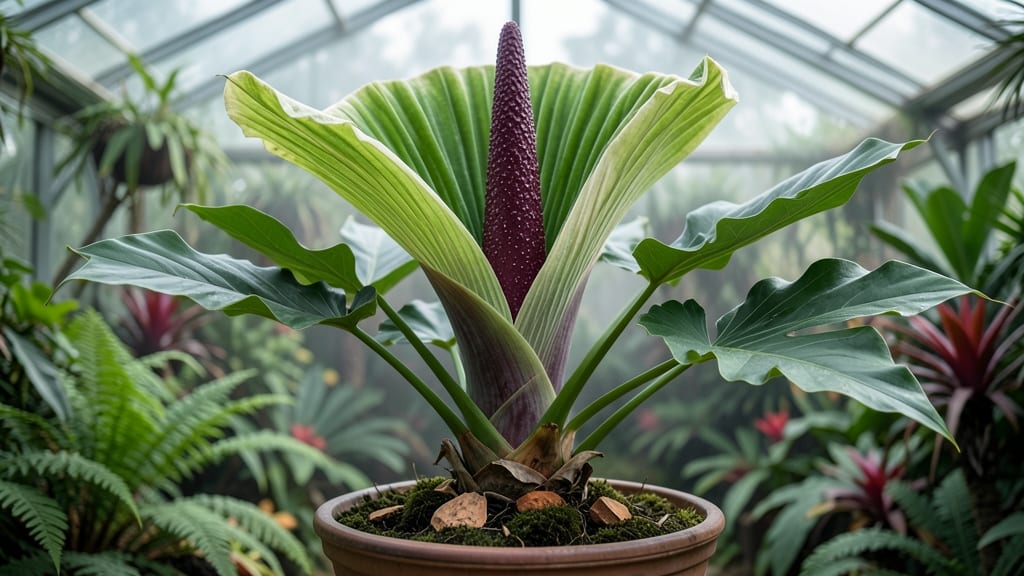
Smelly plants play vital roles in botanical gardens by attracting pollinators, repelling pests, and enriching soil through their aromatic compounds, but they demand precise growing conditions like well-draining soil, specific light exposure, and careful watering to maintain both their fragrance and health.
Botanical gardens intentionally cultivate these fragrant species because their strong scents create ecological balance. 🌿 For example, jasmine and honeysuckle lure bees and butterflies, while garlic chives and rue naturally deter aphids and other garden pests. The decomposition of aromatic leaves even improves soil fertility over time.
However, their potent odors require strategic placement—some varieties like skunk cabbage thrive in damp, shaded areas, while others need full sun exposure to prevent mildew from excess moisture.
The key to successful cultivation lies in matching each plant's needs with its growing environment. Sandy soil works best for lavender, while loamy mixes suit skunk cabbage's moisture demands. I've found that morning watering prevents fungal growth from lingering dampness, and regular pruning maintains both fragrance intensity and plant health.
These aromatic plants aren't just decorative—they're the unsung heroes of garden ecosystems!
💡 In This Article
- Ecological Functions of Strong-Scented Plants in Gardens
- Cultivating Smelly Plants: Soil, Light, and Water Requirements
Ecological functions of strong-scented plants in gardens
The strong aromas of smelly plants serve as nature's invisible workforce in botanical gardens. Take jasmine, for instance—its intoxicating scent contains benzyl acetate, a compound that mimics floral pheromones to attract bees and moths within a 50-foot radius.
Studies from the New York Botanical Garden show that gardens with jasmine see 30% more pollinator activity compared to those without. 🌸 The scent molecules bind to pollinators' antennae, creating a chemical signal that's nearly impossible for them to resist.
Then there's the pest-repellent power of plants like rue and garlic chives. Rue contains compounds called furanocoumarins that emit a bitter, lemony aroma when crushed, effectively confusing aphid navigation systems. At the Royal Botanic Gardens in Kew, researchers found rue reduced aphid populations by 45% when planted near susceptible roses.
Garlic chives release allyl sulfides, which repel Japanese beetles—a common garden scourge—through a process called allelopathy, where volatile organic compounds disrupt insect feeding patterns.
These aromatic plants also contribute to soil health through a process called "green manuring." When fragrant leaves decompose, they release complex organic compounds that feed beneficial soil microbes. Lavender, for example, contains 1-3% essential oils that break down into humus, improving soil structure and water retention.
The Missouri Botanical Garden's research shows that lavender-amended soil retains 20% more moisture than untreated soil during drought conditions.
However, not all strong scents are created equal. Some plants like skunk cabbage emit foul odors (methyl mercaptan) to attract flies for pollination, while others like honeysuckle produce sweet, nectar-like fragrances.
The key difference lies in their chemical profiles—skunk cabbage's compounds mimic rotting meat, while honeysuckle's contain linalool, a compound found in many floral perfumes. This diversity creates a multi-layered ecological defense system in gardens.
Botanical gardens strategically place these plants based on their scent profiles. For instance, the Chicago Botanic Garden's fragrance garden uses a "scent zoning" system where pest-repellent plants like rosemary surround vegetable plots, while pollinator magnets like bee balm are positioned near pathways.
This spatial arrangement maximizes ecological benefits while minimizing human discomfort from overpowering odors. 🌿
The science behind these interactions reveals that plant scents aren't just random—they're sophisticated chemical communication systems. When you crush mint leaves, for example, you're triggering the release of menthol, which repels mosquitoes by masking human scent trails.
This same principle applies across the garden ecosystem, where every strong aroma serves a specific ecological purpose that keeps the garden thriving.