
Pests
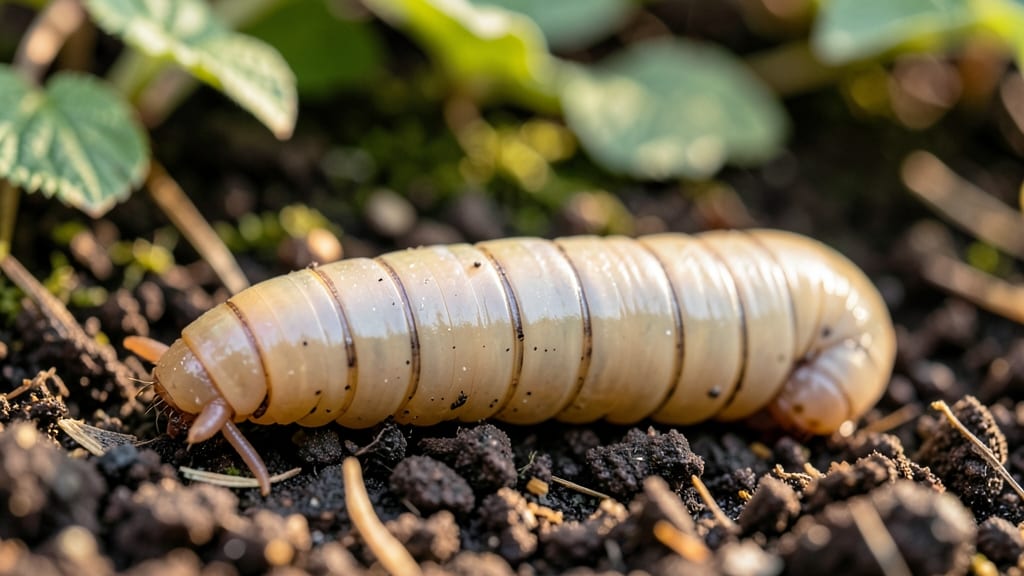
Garden worms eat decaying plant matter such as fallen leaves, grass clippings, fruit and vegetable scraps, and other compostable organic materials, which they break down in nutrient-rich, moist soil environments.
Garden worms are nature's recyclers, thriving on cellulose-rich materials like rotting leaves and plant debris. 🌱 Their digestive systems contain specialized microbes that help break down complex organic compounds into nutrient-dense castings.
Unlike many soil organisms, they prefer slightly acidic to neutral pH levels (around 6-7) and require consistent moisture to process their food efficiently.
For composting enthusiasts, this means adding shredded newspaper, coffee grounds, and crushed eggshells creates an ideal worm buffet. However, avoid citrus peels, meat scraps, or oily foods—these can disrupt their digestive balance and create unpleasant odors.
In my experience, maintaining a 2:1 ratio of greens (nitrogen-rich materials) to browns (carbon-rich materials) keeps worms happy and productive.
💡 In This Article
- Natural Diet of Garden Worms: Decomposition Science
- Best Organic Foods to Feed Garden Worms for Healthy Compost
Natural diet of garden worms: decomposition science
Garden worms, particularly earthworms like Lumbricus terrestris (nightcrawlers) and Eisenia fetida (red wigglers), rely on a specialized digestive system that breaks down cellulose—the tough, fibrous material found in plant cell walls.
Their gizzards contain tiny grains of sand and soil that act like teeth, grinding up organic matter into a fine paste. This paste then moves into their intestines, where symbiotic bacteria and enzymes (like cellulase) further decompose the material into nutrient-rich castings.
This process can convert 50% of their body weight into castings daily under ideal conditions!
The moisture content of their food is critical—worms prefer materials with 60-80% moisture to aid digestion. Too dry, and their digestive enzymes become less effective; too wet, and their burrowing becomes difficult.
They also thrive in slightly acidic to neutral soil (pH 6-7), which optimizes microbial activity in their gut.
For example, a pile of shredded newspaper (pH ~6.5) provides both cellulose and the right moisture balance, while fresh grass clippings (pH ~7.5) can be too alkaline if added in excess. 🌱
Worms show a clear preference hierarchy in their diet. Cellulose-rich materials like fallen leaves, cardboard, and paper make up 70-80% of their intake, while protein sources like manure or kitchen scraps (vegetable peels) account for 20-30%.
Interestingly, they avoid fresh plant material because it contains high levels of tannins and other compounds that inhibit digestion. Instead, they target partially decomposed matter where these inhibitors have broken down naturally. This explains why compost piles with mixed greens and browns are worm magnets!
Beyond digestion, worms play a crucial role in soil aeration. As they consume organic matter, they ingest soil particles and excrete them in their castings, creating tiny air pockets that improve oxygen flow.
This process also redistributes nutrients—worms can move up to 50% of their body weight in soil per day, effectively "fertilizing" the ground as they go. Their burrowing also helps water penetrate deeper into the soil, reducing runoff and erosion.
Without worms, soil would compact and lose its ability to retain moisture and nutrients efficiently.
Seasonal variations also influence worm diets. In spring and summer, when plant growth is rapid, worms feast on fresh fallen leaves and grass clippings. However, in autumn, they shift to more fibrous materials like twigs and bark as these become more available.
This adaptability is key to their survival—worms can even survive short periods without food by entering a dormant state, though their digestive efficiency drops significantly below 10°C (50°F). 💫
What most people don't realize is that worms also consume beneficial microbes as part of their diet. These microbes, which live on the organic matter, aid in breaking down complex compounds that worms themselves can't digest.
This microbial "pre-digestion" is why worms thrive in environments rich in diverse microbial life, such as compost heaps or well-aged garden soil. The relationship is symbiotic—worms provide a home and food source for microbes, while the microbes help worms extract more nutrients from their meals.
For gardeners, understanding this natural diet means you can create the perfect worm habitat. A mix of carbon-rich browns (dry leaves, shredded paper) and nitrogen-rich greens (vegetable scraps, coffee grounds) mimics their wild diet, keeping them active and productive.
Avoid adding meat, dairy, or oily foods—these disrupt their gut bacteria and can lead to foul odors or even worm deaths. Instead, focus on materials that mimic their natural environment: moist, slightly acidic, and rich in decomposing plant matter.