
Tools
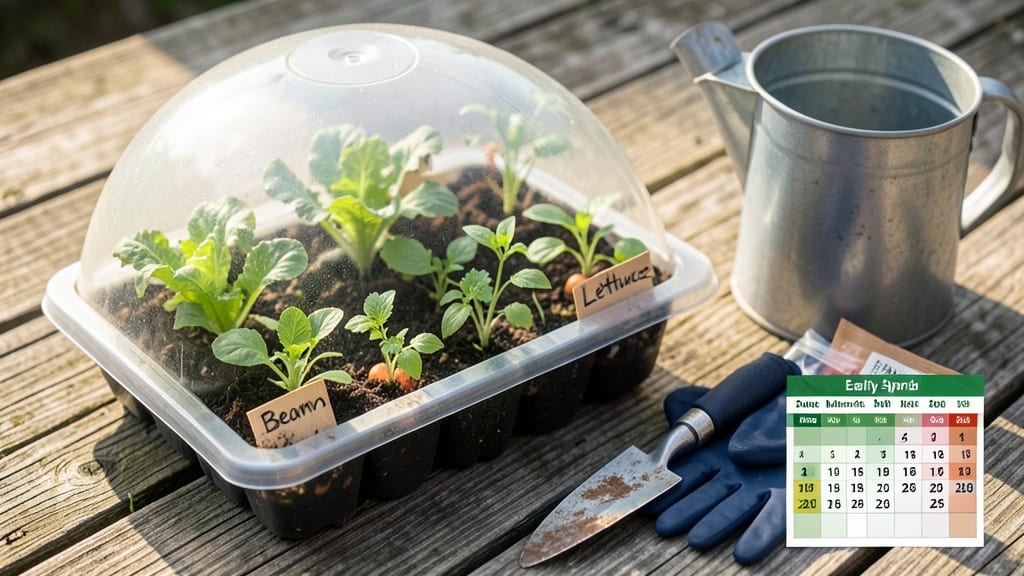
The best time to start a garden depends on your climate zone: plant cool-season crops (like lettuce or peas) 4-6 weeks before the last frost date, and warm-season crops (like tomatoes or peppers) 2-3 weeks after. Always check your USDA zone for precise timing to ensure healthy growth.
Timing your garden starts with understanding your local frost dates and soil temperatures. 🌱 Cool-season plants thrive when soil is cool but not frozen, while warm-season varieties need consistently warm ground to germinate properly.
I recommend using the USDA Plant Hardiness Zone Map to narrow down your exact window—this helps avoid common mistakes like planting too early in cold zones or too late in hot climates.
For example, Zone 5 gardeners should aim for early April for peas, while Zone 9 gardeners can start tomatoes in February.
Pro tip: Many gardeners use the "backwards planning" method—counting weeks from your first frost date to determine when to sow seeds indoors or outdoors. This approach ensures you're never caught off guard by unexpected weather shifts. 🔥
💡 In This Article
- How Climate Zones Determine Garden Start Times
- Step-by-Step Seasonal Planting Calendar for Gardeners
How climate zones determine garden start times
The USDA Plant Hardiness Zone Map divides North America into 13 zones based on average annual minimum temperatures, but what truly matters for gardeners are frost dates and soil temperatures. These factors create the perfect window for seed germination and seedling survival.
For example, in Zone 3 (where winters can drop to -40°F), gardeners must wait until after the last spring frost—typically mid-May—to plant warm-season crops like peppers, which need soil temperatures above 60°F to germinate.
Meanwhile, in Zone 9 (mild winters), tomatoes can be sown in February when soil temperatures hover around 65-70°F.
Soil temperature is the unsung hero of planting success. Most cool-season crops (like spinach or kale) thrive when soil is between 45-55°F, while warm-season varieties (like cucumbers) require 70-85°F.
You can measure this with a soil thermometer—insert it 2 inches deep in the ground on a sunny morning. 🌡️ The difference between these ranges explains why Zone 5 gardeners might start broccoli in early April (soil ~48°F) while Zone 7 gardeners can plant the same crop in late February (soil ~52°F).
This 10°F soil temperature gap translates to a 6-week difference in planting windows.
Microclimates add another layer of complexity. A south-facing wall or a raised bed can create a 5-10°F warmer microclimate than the surrounding area, allowing you to plant 2-3 weeks earlier in spring or extend the season by 1-2 weeks in fall.
For instance, if your USDA Zone 6 typically has a last frost on May 15, a sunny microclimate might let you plant heat-loving basil on May 1 instead. Always observe your garden's unique conditions—wind patterns, sunlight exposure, and even nearby water bodies can shift planting windows by weeks.
Heat tolerance is another critical factor. Warm-season crops like eggplants and okra need consistent daytime temperatures above 75°F to thrive, while cool-season crops like radishes can handle light frosts down to 25°F.
This explains why gardeners in Zone 10 (hot year-round) can grow tomatoes year-round, while Zone 4 gardeners must wait until June to plant them. The 100°F+ summer heat in Zone 10 would scorch cool-season crops like lettuce, which bolts (goes to seed) when exposed to long days above 75°F.
Don't overlook the role of day length in plant development. Many vegetables (like potatoes) are long-day plants, meaning they need 14+ hours of daylight to flower and produce tubers.
In northern climates (Zones 3-5), this means waiting until late May or June, while southern gardeners (Zones 8-10) can plant potatoes as early as February.
This physiological response is why your Zone 6 neighbor might get a harvest of new potatoes in July while you're still waiting for yours to mature in August.
For precise timing, combine these factors with your local historical frost dates (available from the National Weather Service) and your specific soil type. Sandy soils warm up faster than clay, which can delay planting by 1-2 weeks in spring.
For example, a clay-heavy garden in Zone 7 might not reach 60°F until May 10, while a sandy garden in the same zone could hit that temperature by April 25. Always test your soil—this small step can mean the difference between a thriving garden and a failed crop.