
Plants
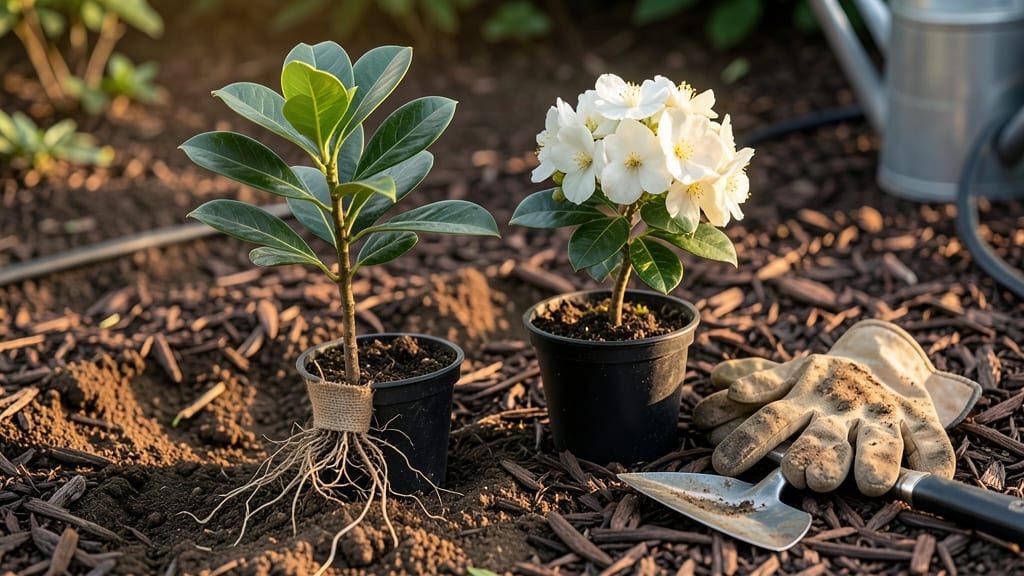
Plant gardenias in North Carolina after your last frost date, typically between late March and April for Zone 7B-8A, when soil temperatures stay above 60°F.
Gardenias are North Carolina’s fragrant crown jewels—but planting them at the wrong time means risking frost damage or stunted growth. Timing is everything, and Zone 7B-8A gardeners need a precise roadmap to ensure blooms for years.
Miss the window, and you might end up with leggy, weak plants struggling to establish roots before summer heat sets in. Or worse, a late frost could wipe out your young gardenias overnight—something no gardener wants to see.
Below, I break down the exact frost-free timeline for your zone, soil prep secrets, and how to protect your plants if spring surprises you with an unexpected cold snap.
NC gardenia planting timeline: frost-free dates by zone 7B-8A
Gardenias thrive in North Carolina’s humid subtropical climate, but their frost-sensitive roots demand precise timing. Zone 7B-8A gardeners must plant after the last average frost date, typically between March 15 and April 15, when soil warms to 60°F+.
In Zone 7B, the last frost usually hits around March 15, while Zone 8A sees frost-free conditions by March 1. However, microclimates—like mountain valleys or coastal areas—can shift these dates by 1-2 weeks.
🌸
For Zone 7B, aim to transplant gardenias between March 22 and April 5. In Zone 8A, you can start as early as March 10, but avoid rushing—cool soil slows root establishment.
Use NC State Extension’s frost maps to verify local dates, as elevations above 1,000 feet may delay frost-free conditions by 10-14 days. Coastal regions like Wilmington often see earlier frost-free dates.
🌿
If late frosts threaten, use row covers or frost cloth to protect young plants. Gardenias hate cold soil, so always check temperatures with a soil thermometer—below 55°F stresses roots.
After planting, mulch with 2-3 inches of pine bark to insulate roots and retain moisture. This is critical in Zone 7B’s cooler springs, where temperature swings can damage tender new growth.
🪴
For container gardenias, delay planting until mid-April in Zone 7B—potted plants overheat faster in summer and chill faster in spring. Move containers to protected spots at night if frost is forecasted.
Remember: Gardenias bloom best when planted at the right time. A well-timed transplant in Zone 7B-8A ensures strong roots before summer’s humidity and heat peak.
How to prepare gardenias for NC’s unpredictable spring weather
North Carolina’s spring weather can be a gardenia grower’s nightmare—one day 70°F and sunny, the next a 32°F surprise frost. The key to success? Gradual hardening and smart soil prep to give your plants the resilience they need.
I’ve learned the hard way that skipping these steps means weak roots and missed blooms.
Start by selecting container-grown gardenias (not bare-root) for better shock resistance. These plants already have established root systems, making them tougher to handle temperature swings. If you’re growing from cuttings, begin the hardening process 4-6 weeks before transplanting to mimic outdoor conditions.
Step-by-step hardening techniques are your best defense against spring’s unpredictability. Follow this proven process to build plant resilience:
While hardening your plants, focus on soil preparation—gardenias demand acidic, well-draining soil with a pH between 5.0-6.5. In NC’s clay-heavy soils, I recommend amending with 25% peat moss or pine bark fines and 10% perlite to improve drainage.
Test your soil first using a home pH kit—adjust with sulfur if needed.
For emergency frost protection, keep these tools ready: frost blankets, row covers, and string lights (to provide warmth). If frost is forecasted, cover plants before sunset and remove covers by 10 AM to prevent overheating.
I’ve saved multiple gardenias this way during late April frosts—don’t skip this step!
After planting, mulch with 3-4 inches of pine straw to insulate roots and retain moisture. This mimics their natural humid subtropical habitat while protecting against temperature fluctuations. Water deeply every 3-4 days in spring, focusing on the root zone to encourage strong establishment.