I remember the first time I pressed a seed into damp soil and watched it sprout—it felt like unlocking a secret. Now, I’m obsessed with sharing the quiet magic of gardening, from the thrill of a first harvest to the little tricks that make plants thrive. This site is my way of paying forward the lessons I’ve learned in my own backyard, where my hands are always dirtier than my knees.
💥 Quick Answer An online master gardener program certifies participants in sustainable gardening through coursework, exams, and hands-on training, equipping them for volunteer roles in community gardens, education, and…
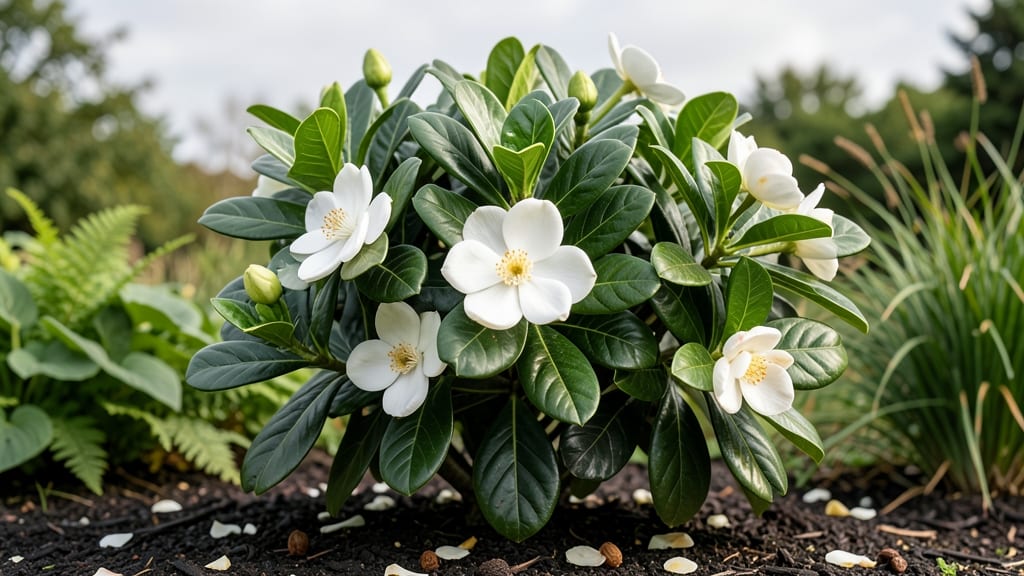
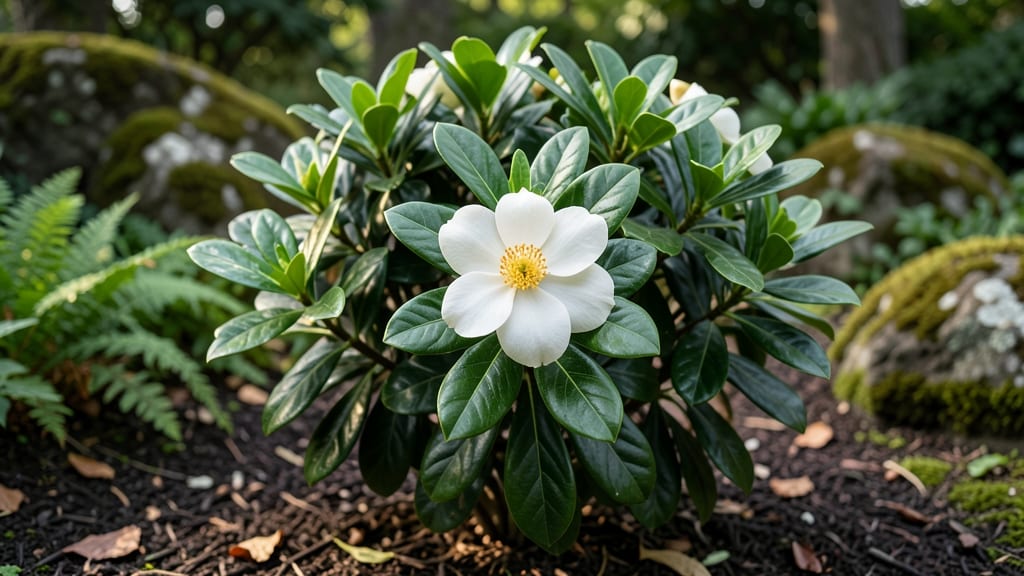
💥 Quick Answer Understanding gardenia growth rate reveals these plants advance at a deliberate pace, gaining just 6-12 inches per year in perfect conditions, with full maturity reaching 6-15 feet tall. Seedlings often…
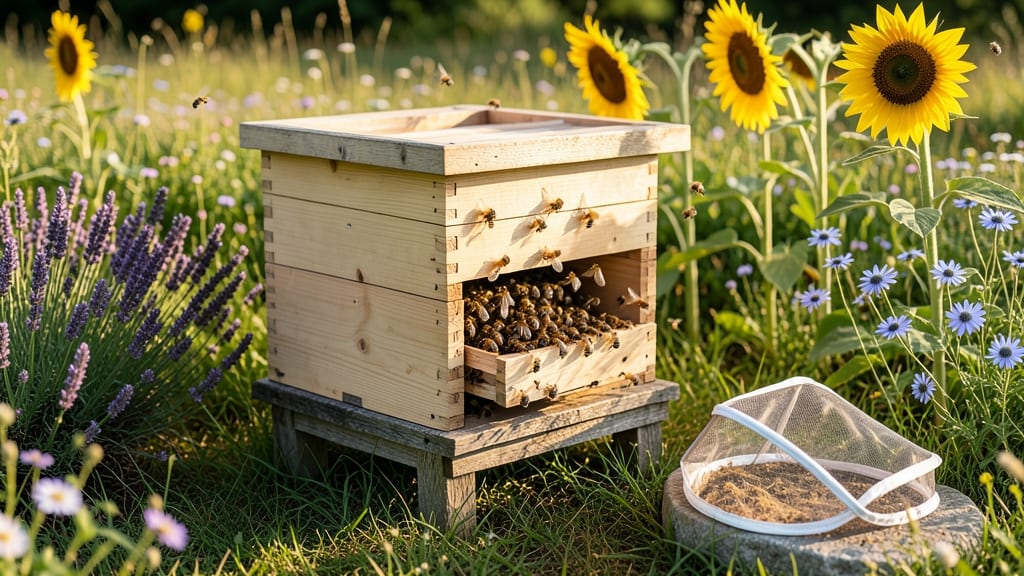
💥 Quick Answer The bee crate in Grow a Garden creates a safe nesting space for solitary bees, which dramatically increases pollination rates for your garden while naturally enriching soil quality through their nesting…
💥 Quick Answer Gardenias bloom during late spring through summer months—typically May to August in most temperate regions—though their exact timing shifts based on variety and local climate conditions. The blooming…
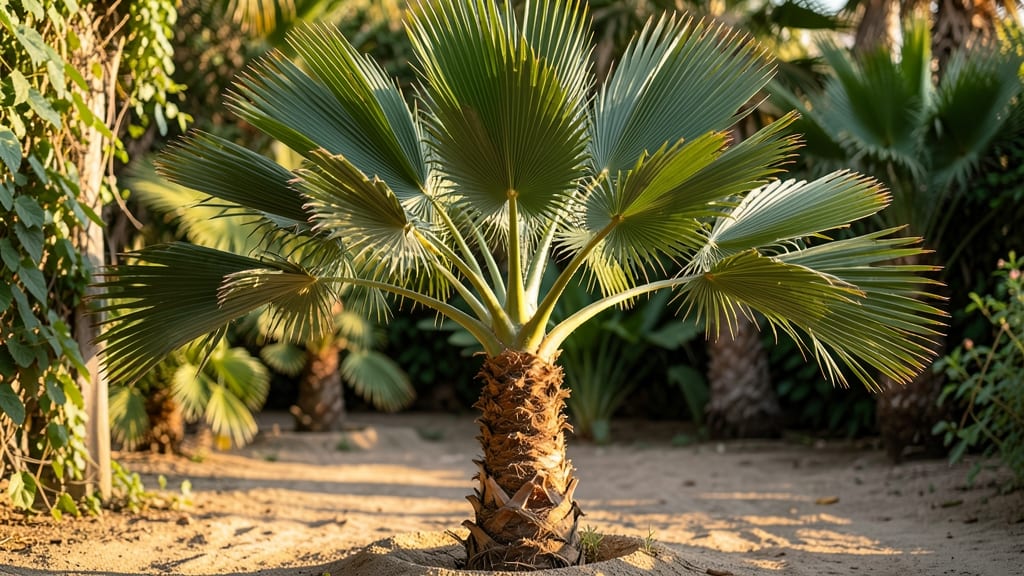
💥 Quick Answer Phoenix gardening thrives in USDA Hardiness Zones 9b-10a , where scorching summers and mild winters create ideal conditions for drought-resistant plants. Native desert species and heat-tolerant varieties…
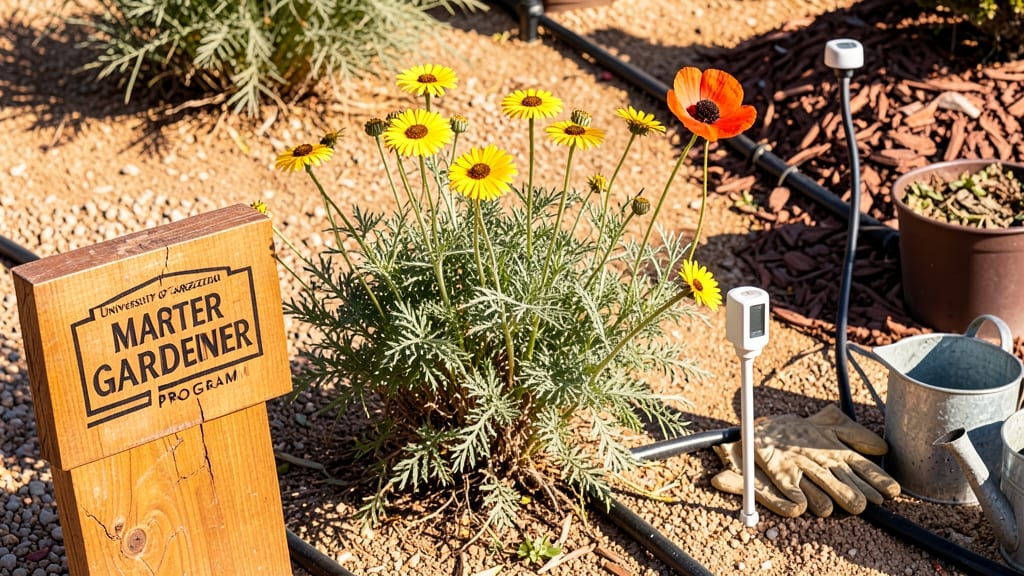
💥 Quick Answer The Arizona Master Gardener Program transforms gardening enthusiasts into certified volunteers through intensive horticulture training that spans soil science, pest control, and sustainable landscaping…
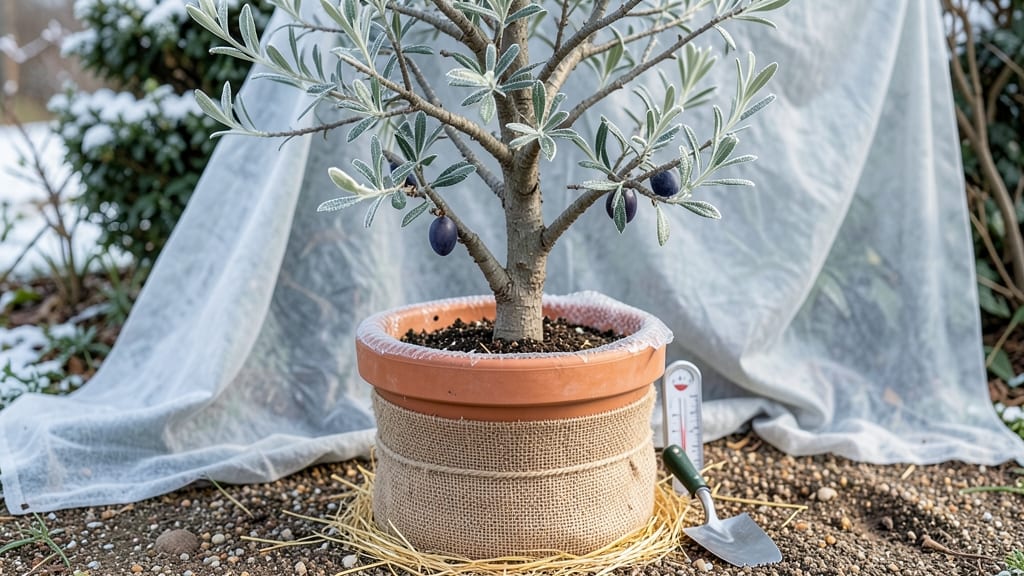
💥 Quick Answer To create an olive garden winter garden, focus on frost-tolerant Mediterranean herbs like rosemary, thyme, and oregano, then shield them with protective layers such as mulch or frost cloths to maintain…
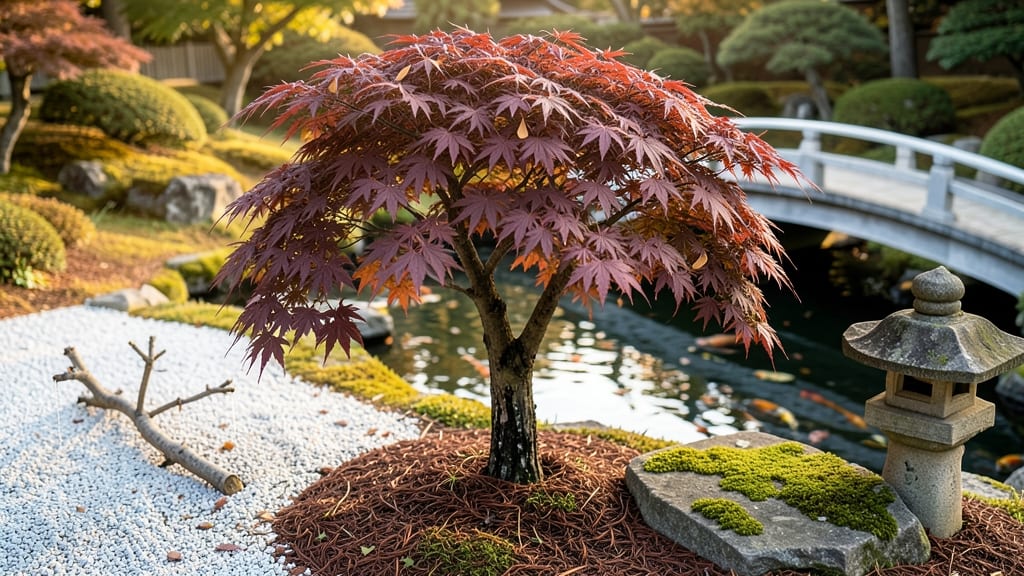
💥 Quick Answer The Pasadena Japanese Garden offers a peaceful retreat with its iconic tea houses, vibrant koi ponds, and expertly crafted bonsai displays, all designed to embody traditional Japanese aesthetics. Don't…
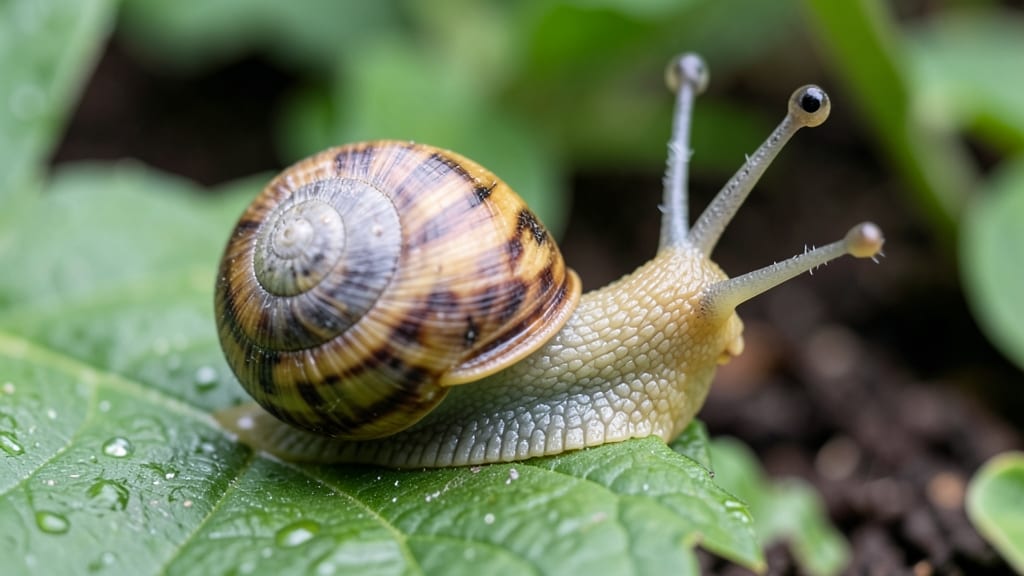
💥 Quick Answer Understanding garden snail anatomy reveals their spiral shell for protection, muscular foot for slow movement, retractable eyes and tentacles for sensory detection, and a radula for scraping plant…
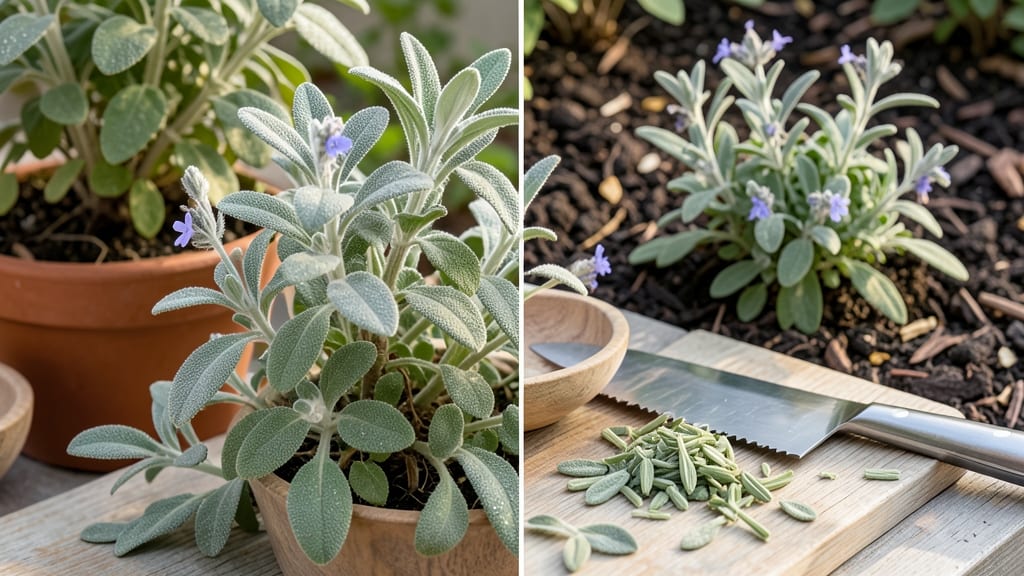
💥 Quick Answer Yes, garden sage is edible and widely used in cooking for its earthy, pine-like flavor, though consuming large amounts may cause mild digestive discomfort. Harvest leaves before flowering for peak potency…