I remember the first time I pressed a seed into damp soil and watched it sprout—it felt like unlocking a secret. Now, I’m obsessed with sharing the quiet magic of gardening, from the thrill of a first harvest to the little tricks that make plants thrive. This site is my way of paying forward the lessons I’ve learned in my own backyard, where my hands are always dirtier than my knees.
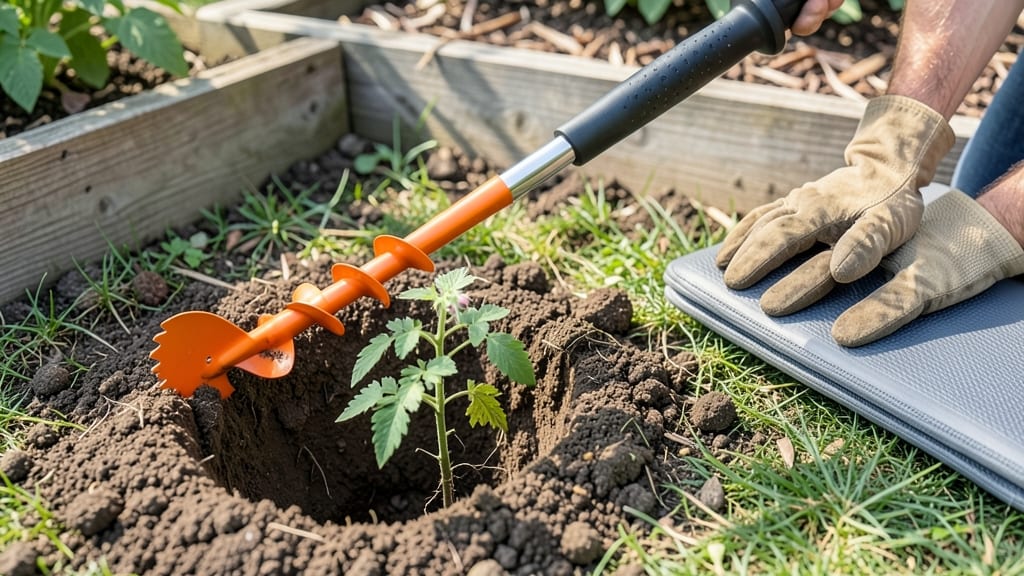
💥 Quick Answer Selecting the best auger for garden tasks depends on your soil conditions, planting depth needs, and project size—hand-cranked augers excel for small-scale digging, while electric or gas-powered models…
💥 Quick Answer Philadelphia gardening zone falls within USDA Hardiness Zones 6b to 7a , with urban heat islands creating localized temperature differences that can shift zones by up to a full level. Always check the…
💥 Quick Answer Nitrogen for garden enhances leafy growth and lush foliage by supplying essential nutrients through organic sources like compost or synthetic options such as urea. Application rates vary by soil…
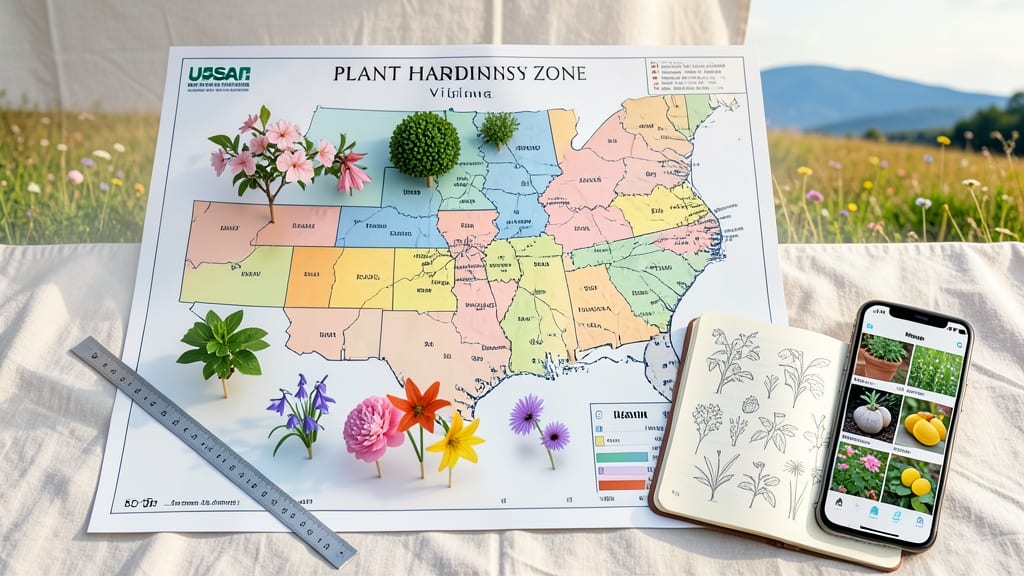
💥 Quick Answer Virginia's garden zones range from USDA Hardiness Zones 4 through 8, with most areas falling between 5a and 7b. These zones vary significantly based on elevation and coastal proximity, so always verify…
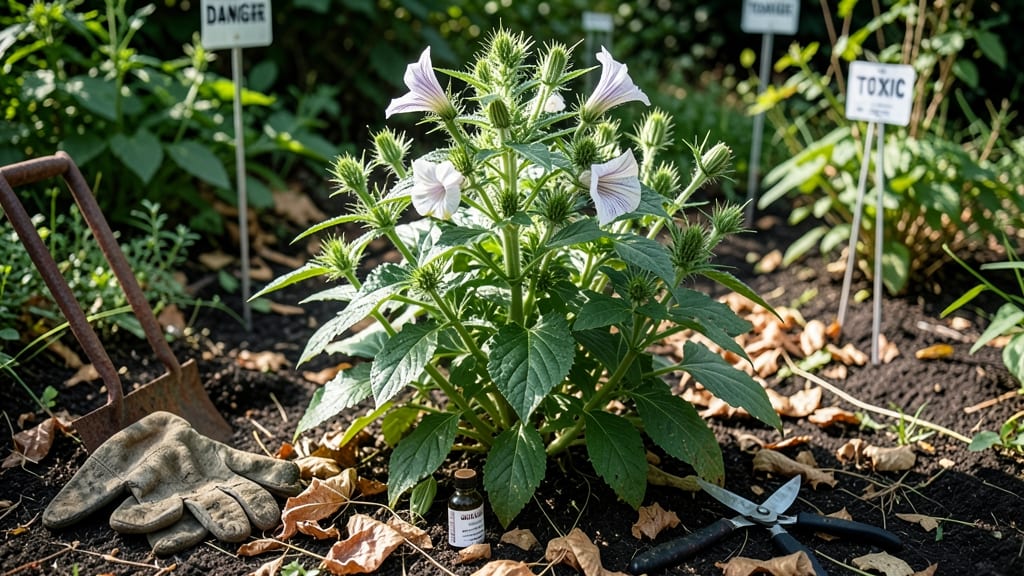
💥 Quick Answer The world's deadliest garden features deadly plants like castor beans, deadly nightshade, and oleander, whose toxins—ricin, atropine, and cardiac glycosides—can be fatal if ingested, touched, or inhaled…
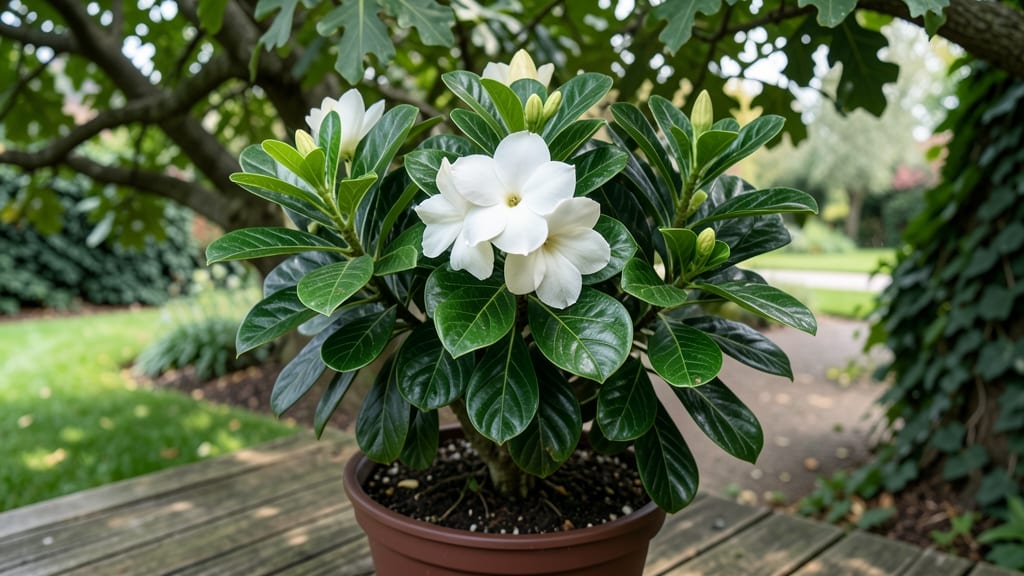
💥 Quick Answer Gardenias typically display soft, elegant colors—primarily pure white to pale cream—with occasional delicate blush or ivory undertones that intensify in sunlight. Their petals often feature subtle veining…
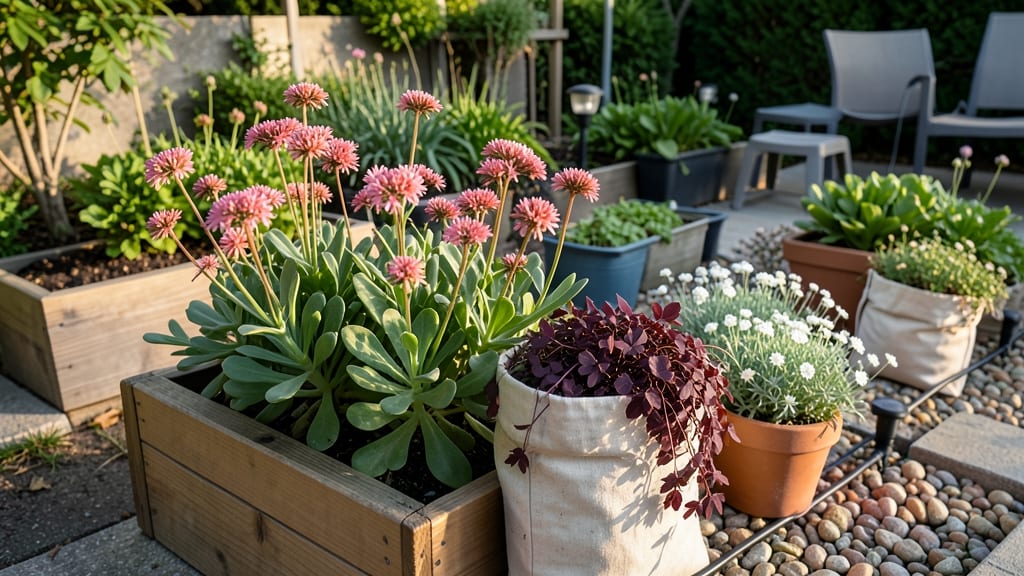
💥 Quick Answer A roof terrace garden creates stunning greenery by using compact, shallow-rooted plants like succulents, herbs, and dwarf citrus trees while staying within weight limits of about 20-60 lbs per square…
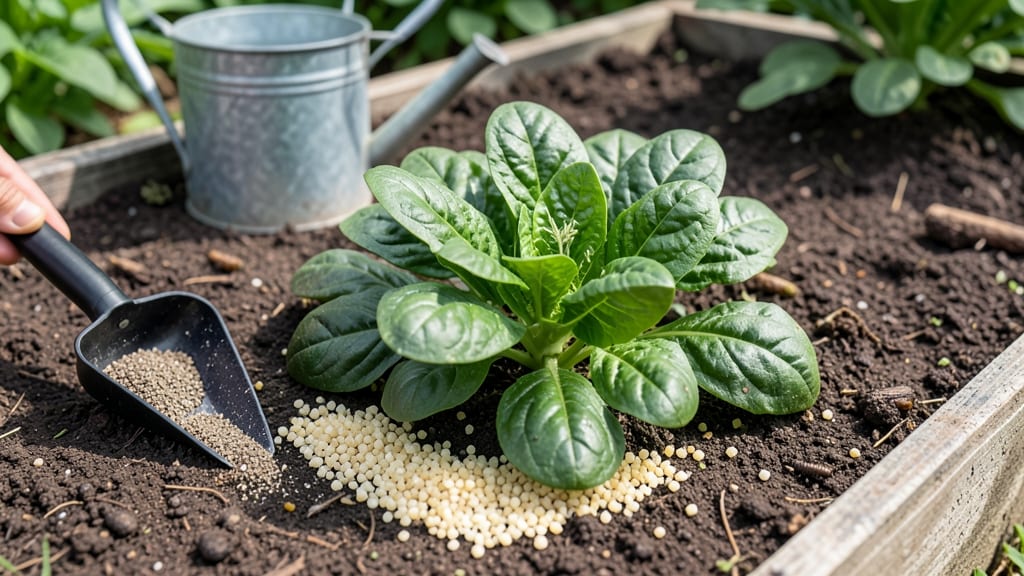
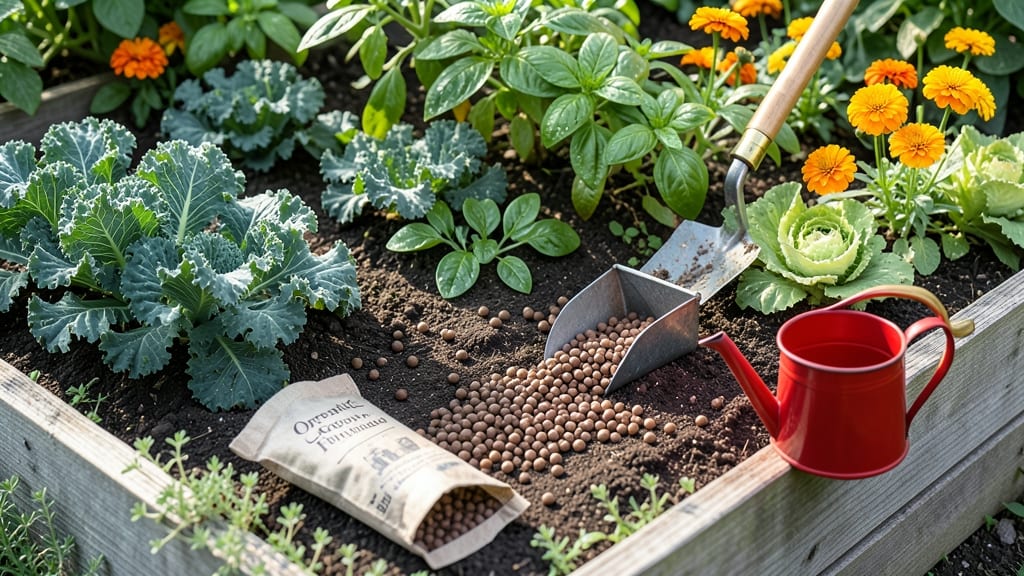
💥 Quick Answer To add fertilizer to your garden, time it based on soil test results and plant growth stages—cool-season crops thrive with early spring or late winter applications, while warm-season plants need…
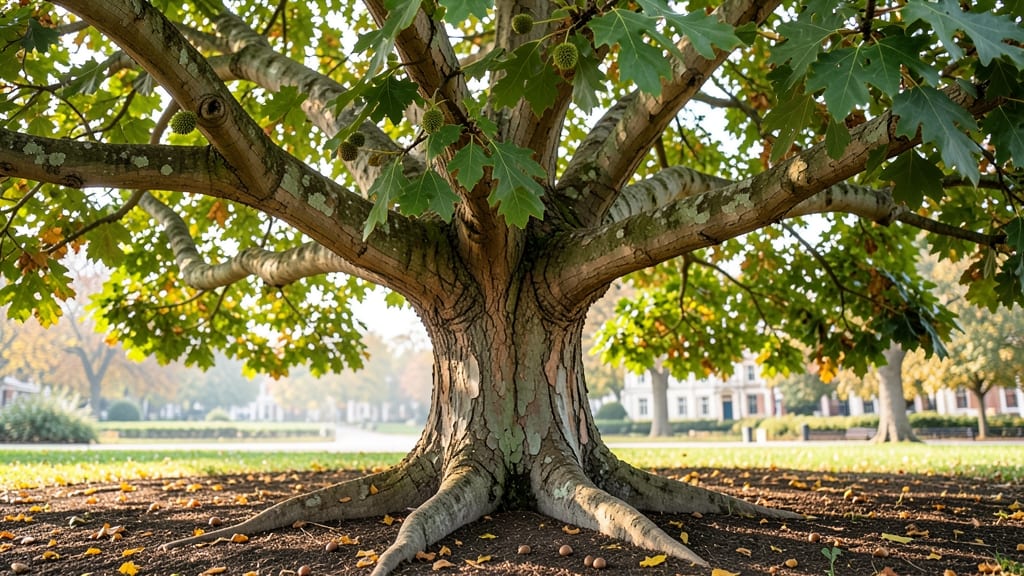
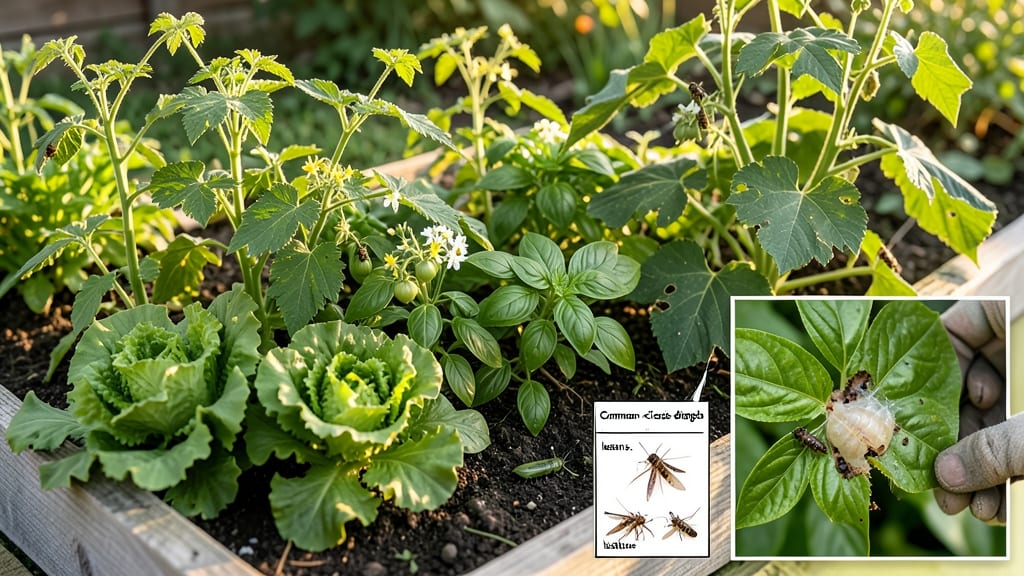
💥 Quick Answer Your garden won't be eaten by cicadas—they exclusively target tree sap from hardwoods like oaks, maples, and willows using specialized mouthparts. While their underground nymphs may harm roots, adult…