I remember the first time I pressed a seed into damp soil and watched it sprout—it felt like unlocking a secret. Now, I’m obsessed with sharing the quiet magic of gardening, from the thrill of a first harvest to the little tricks that make plants thrive. This site is my way of paying forward the lessons I’ve learned in my own backyard, where my hands are always dirtier than my knees.
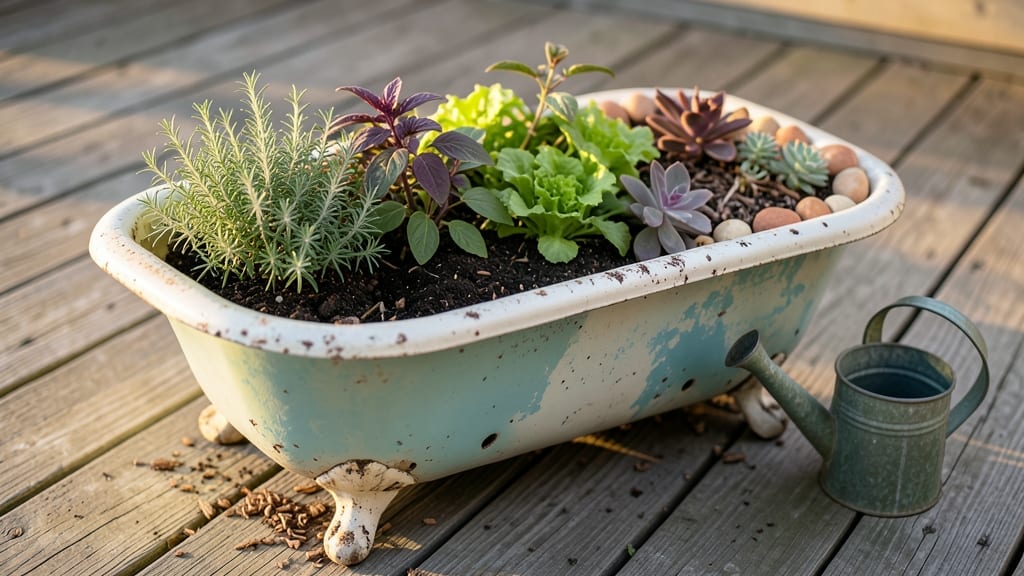
💥 Quick Answer A garden bathtub is a shallow, sunken planter designed to hold soil or water for growing plants, creating an ideal microclimate for roots. These versatile containers excel at hydroponics, seed…
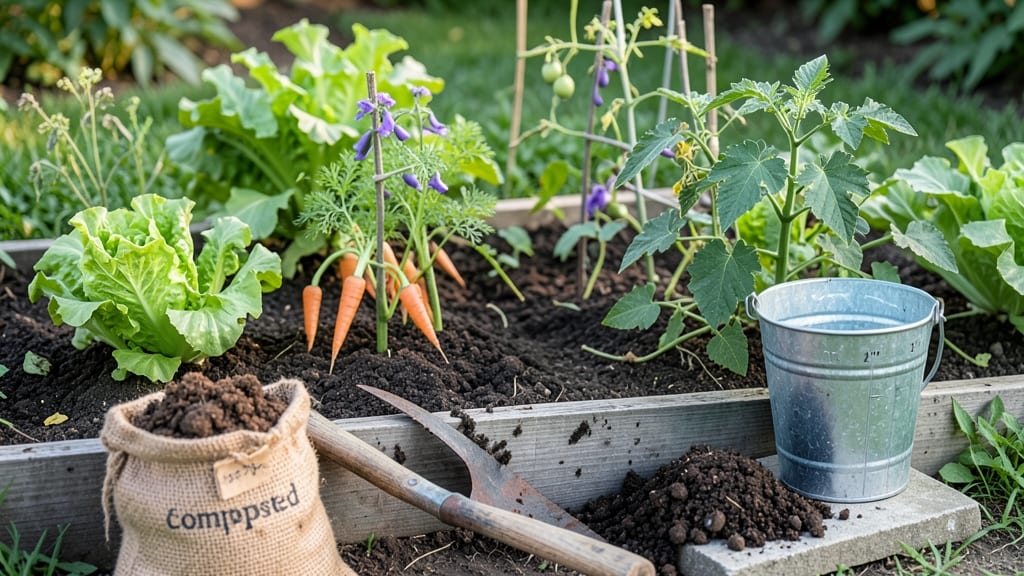
💥 Quick Answer To determine how much manure to add to garden soil, start with a 1:10 ratio (1 part aged manure to 10 parts soil) for most vegetables, but cut back to 1:20 for delicate flowers or seedlings. Always…
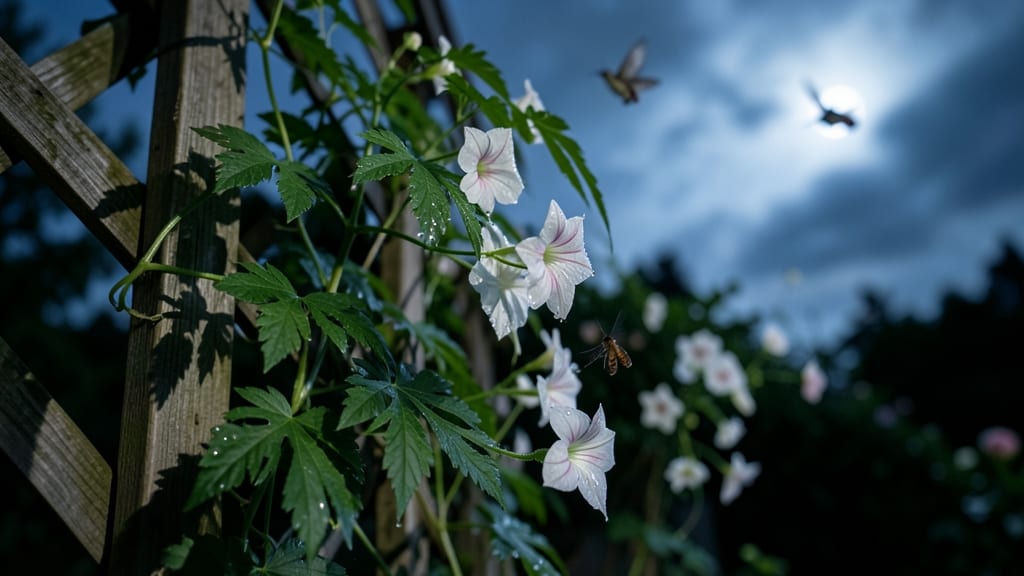
💥 Quick Answer The night owl gardener in Grow-A-Garden leverages moonlit hours to cultivate light-sensitive plants like spinach, lettuce, and herbs, while working with cold-resistant varieties to extend growing seasons…
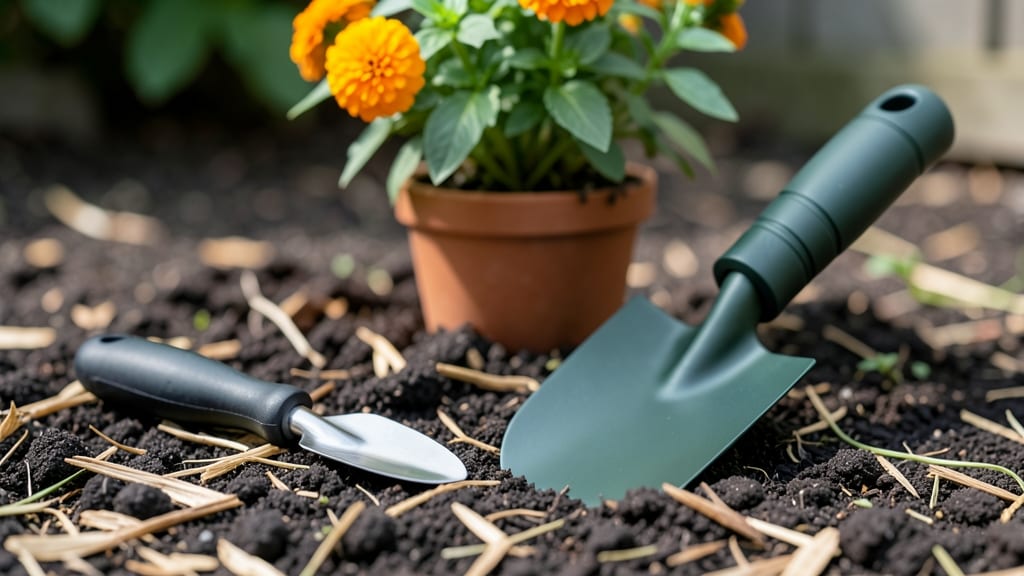
💥 Quick Answer The name for a small shovel used in gardening is a trowel , dibber , or hand fork , each designed for specific tasks like moving seedlings, creating planting holes, or aerating compacted soil. These tools…
💥 Quick Answer The average size of a garden varies widely: 100 to 500 square feet suits small urban spaces, 500 to 2,000 sq ft works for suburban homesteads, and over 2,000 sq ft is ideal for large-scale vegetable or…
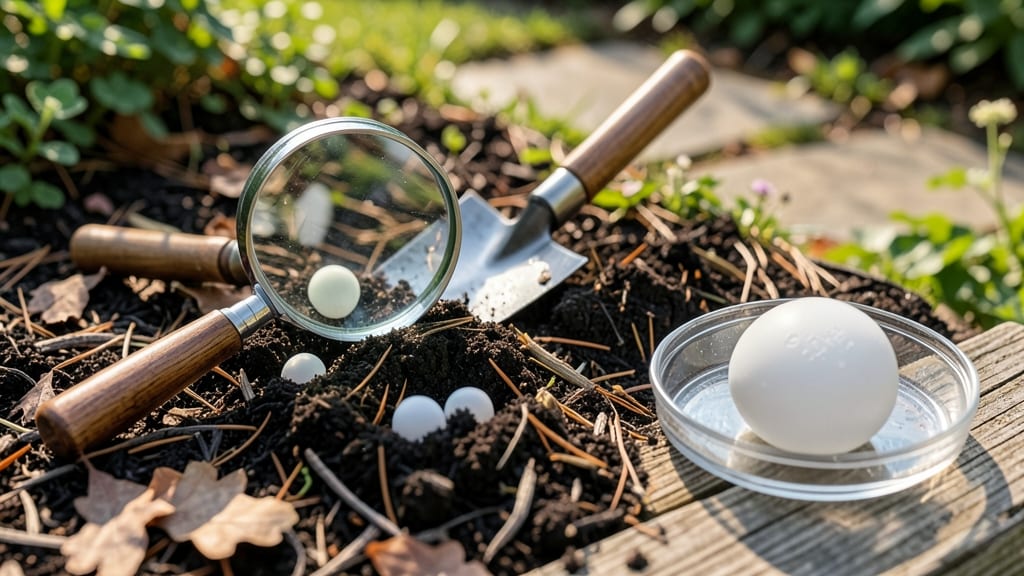
💥 Quick Answer White balls in garden soil are typically harmless gypsum crystals or calcium deposits from water evaporation, but they can also be beneficial fungal nodules or signs of pest activity like grubs. Proper…
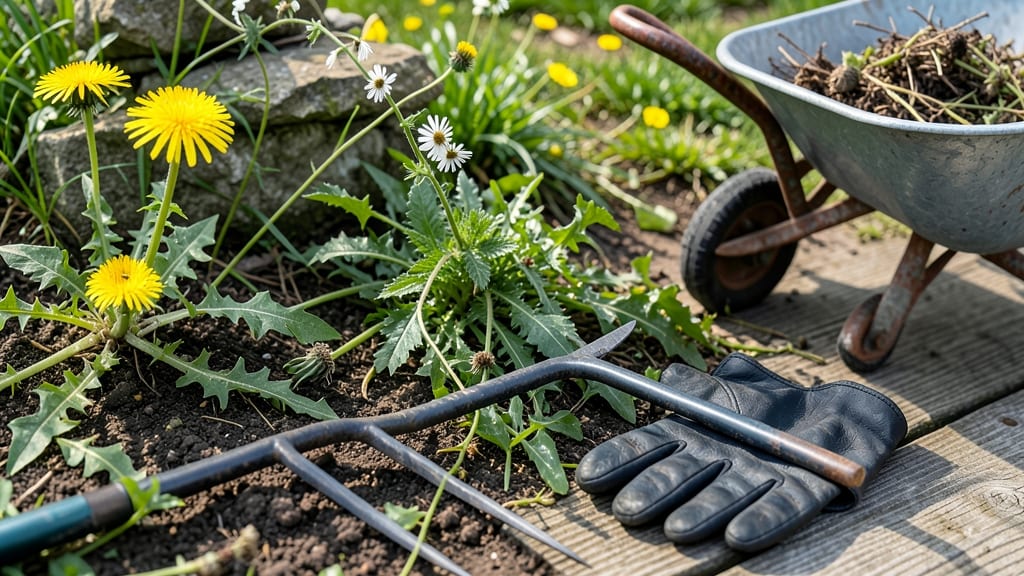
💥 Quick Answer Identifying common garden weeds in the UK means learning to spot broadleaf weeds like groundsel or chickweed alongside grassy types such as annual meadow grass, then examining leaf shapes, growth…
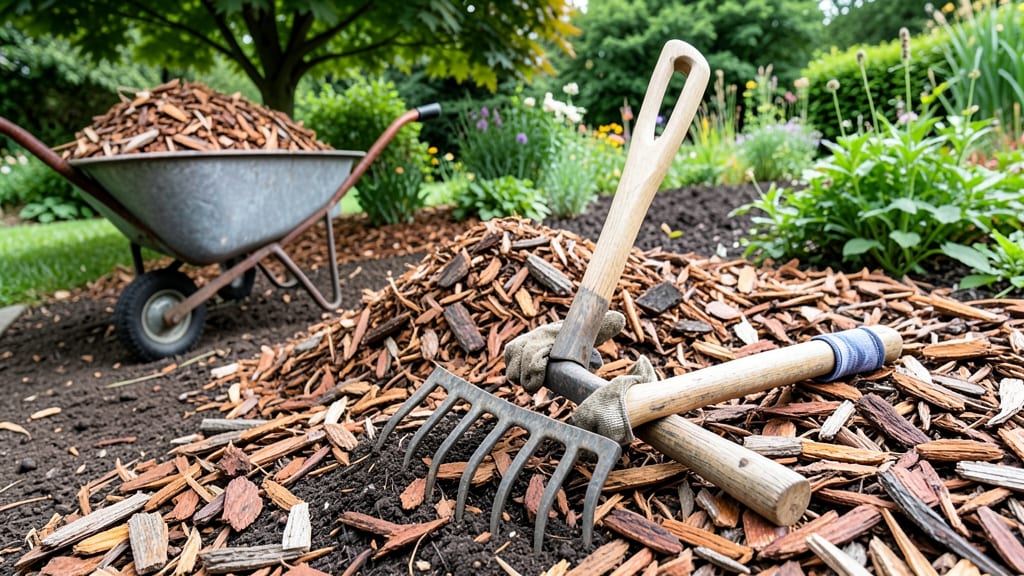
💥 Quick Answer When you see bark in garden, it typically means wood chips or mulch used as ground cover, but it can also indicate fallen branches or decaying wood from nearby trees. Properly sourced bark enriches soil…
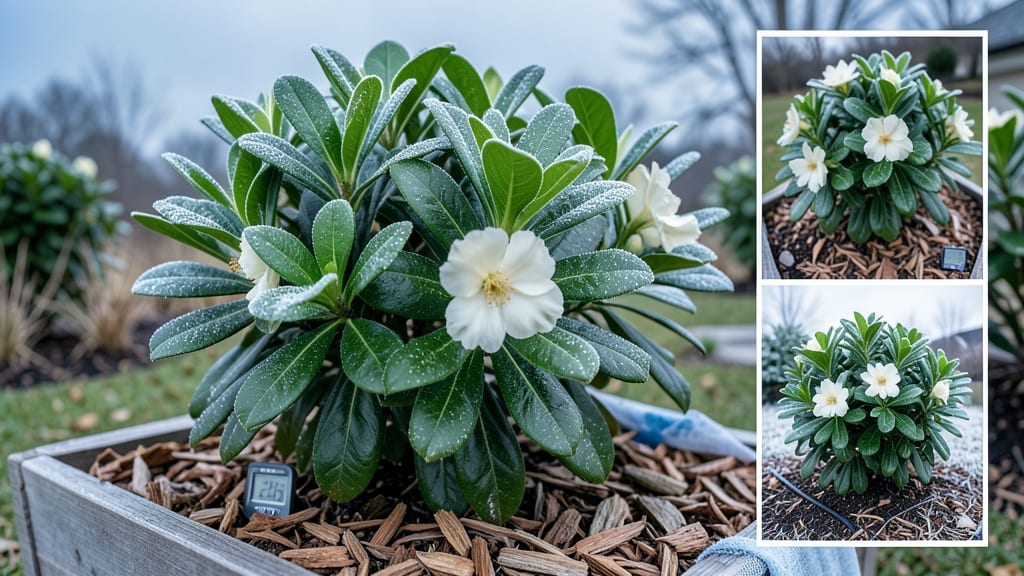
💥 Quick Answer Gardenia plants are winter hardy in USDA Zones 7-11, requiring protection in colder climates with mulching, frost blankets, or container relocation to prevent dieback from freezing temperatures below…
💥 Quick Answer Rock wall raised garden beds should typically reach 24–36 inches tall to balance drainage efficiency with accessibility, while planting zones depend on your local climate, sunlight exposure, and soil…