I remember the first time I pressed a seed into damp soil and watched it sprout—it felt like unlocking a secret. Now, I’m obsessed with sharing the quiet magic of gardening, from the thrill of a first harvest to the little tricks that make plants thrive. This site is my way of paying forward the lessons I’ve learned in my own backyard, where my hands are always dirtier than my knees.
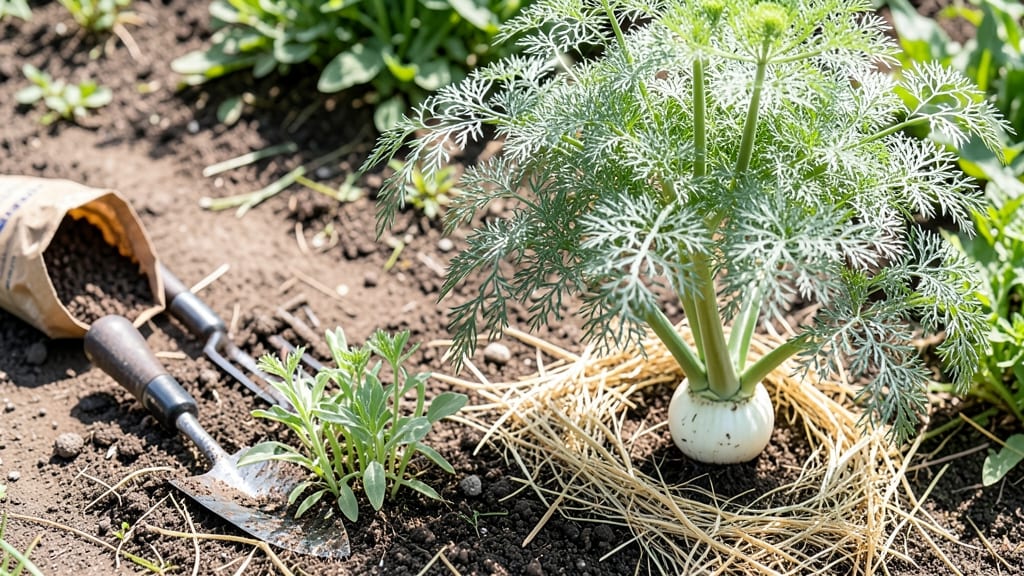
💥 Quick Answer To plant fennel in your vegetable garden, choose a sunny spot with at least 6-8 hours of direct sunlight daily and well-draining, slightly alkaline soil (pH 6.0-8.0). Space plants 12-18 inches apart to…
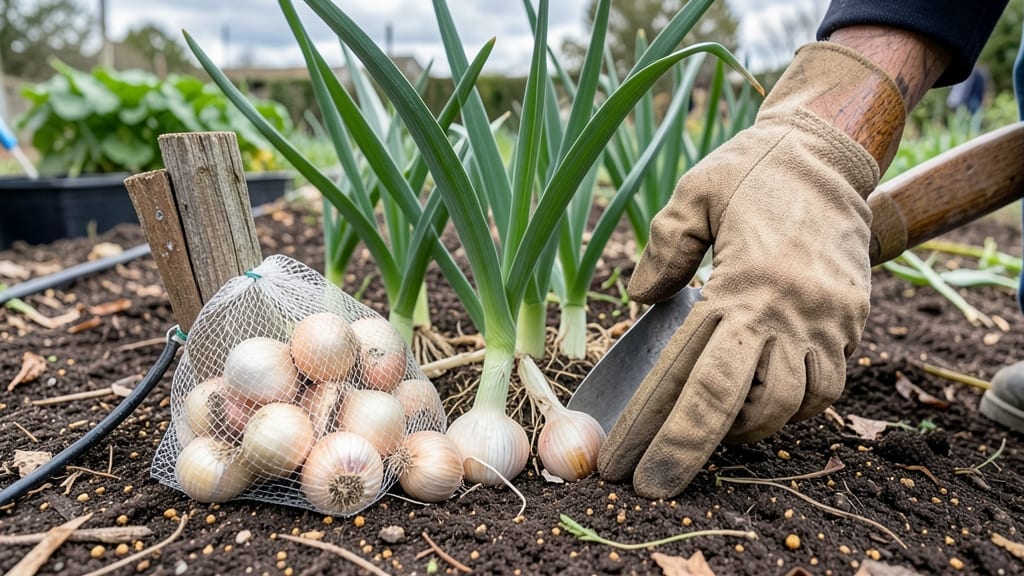
💥 Quick Answer To plant garlic in your garden, choose a spot with well-draining soil and partial sunlight, then bury cloves 6 inches deep with 4-6 inches between them. The best time to plant is in fall during a waning…
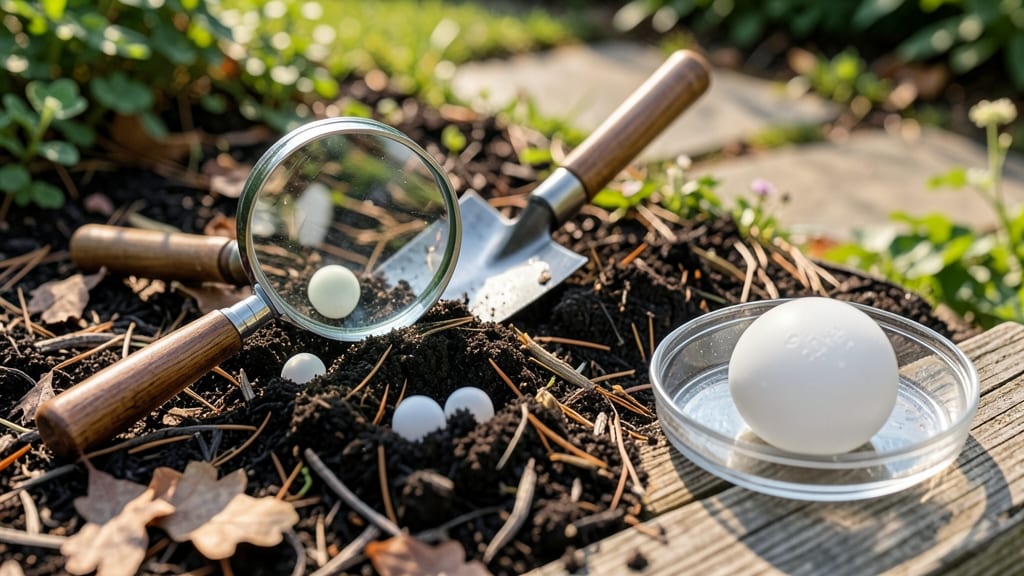
💥 Quick Answer White balls in garden soil are typically harmless gypsum crystals or calcium deposits from water evaporation, but they can also be beneficial fungal nodules or signs of pest activity like grubs. Proper…
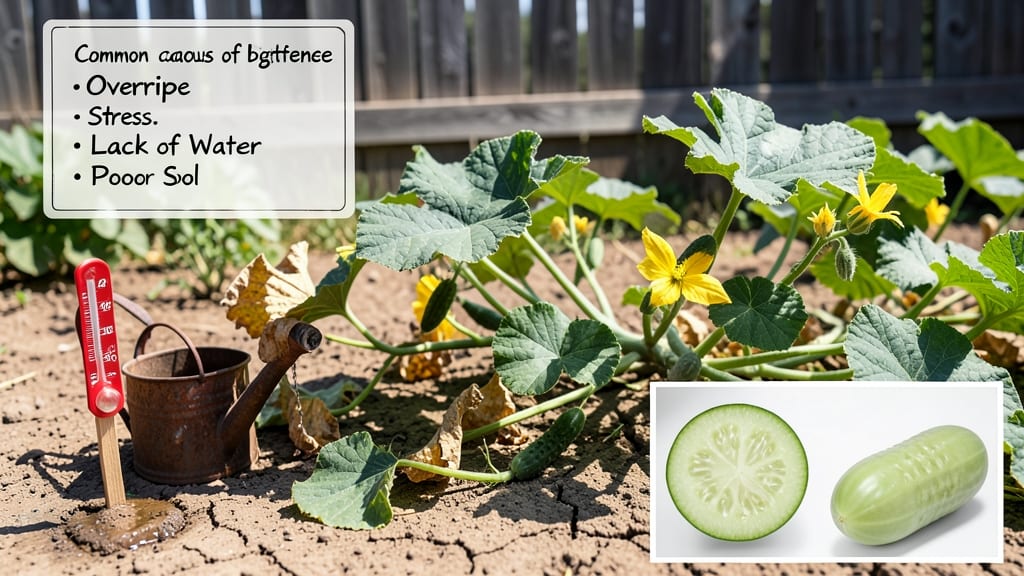
Your garden cucumbers 🥒 taste bitter because they’re overripe, under-pollinated, or stressed by heat or uneven watering — and the fix is simpler than you think. Picture this: You’ve spent weeks tending to your vines…
💥 Quick Answer Gardening is important for Appcyard because it enhances mental well-being by lowering stress levels and creating a sense of purpose, while also building stronger community ties through collaborative green…
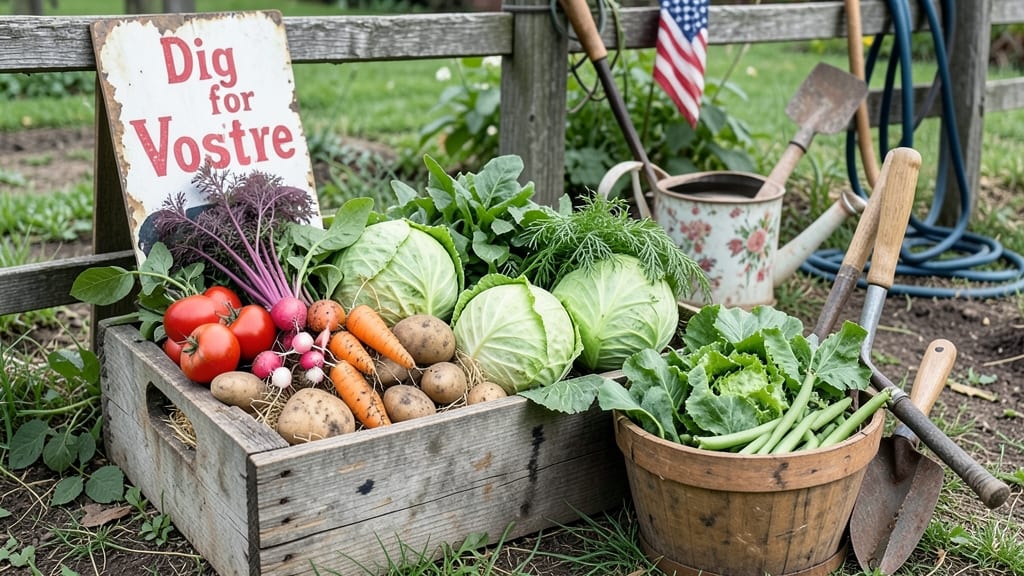
💥 Quick Answer Victory gardens were important because they boosted World War II food supplies by growing fresh produce locally, reducing reliance on commercial agriculture and easing wartime food shortages. These…
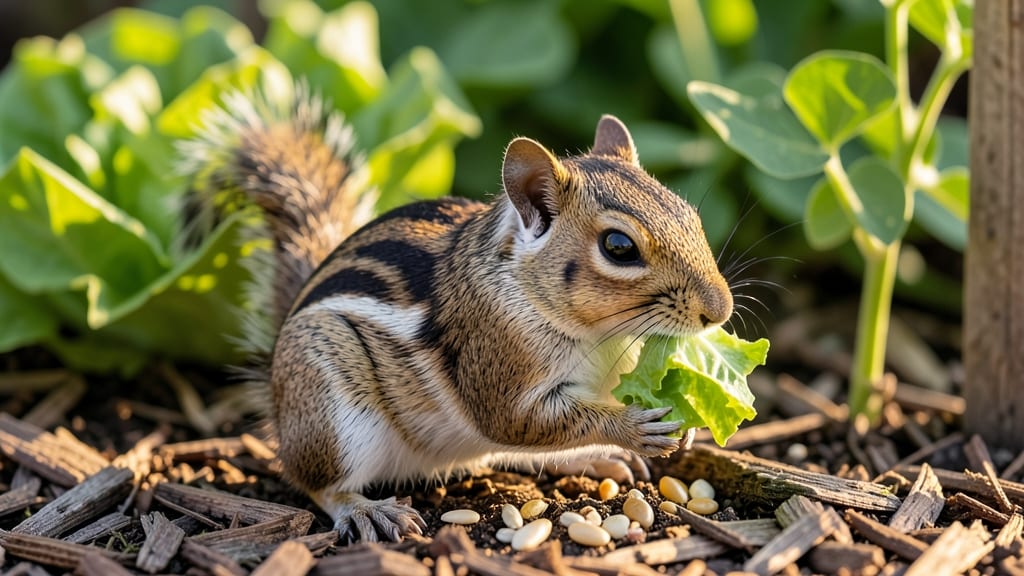
💥 Quick Answer Chipmunks will eat your garden, targeting seeds, bulbs, fruits, and vegetables like tomatoes, beans, and lettuce. Their foraging habits can devastate young plants, making prevention key for healthy…
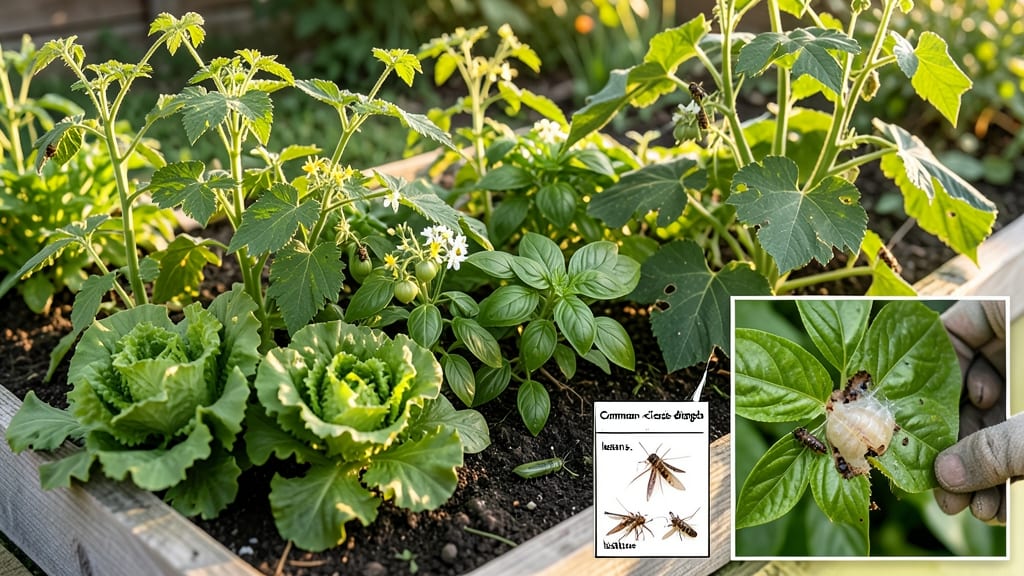
💥 Quick Answer Your garden won't be eaten by cicadas—they exclusively target tree sap from hardwoods like oaks, maples, and willows using specialized mouthparts. While their underground nymphs may harm roots, adult…
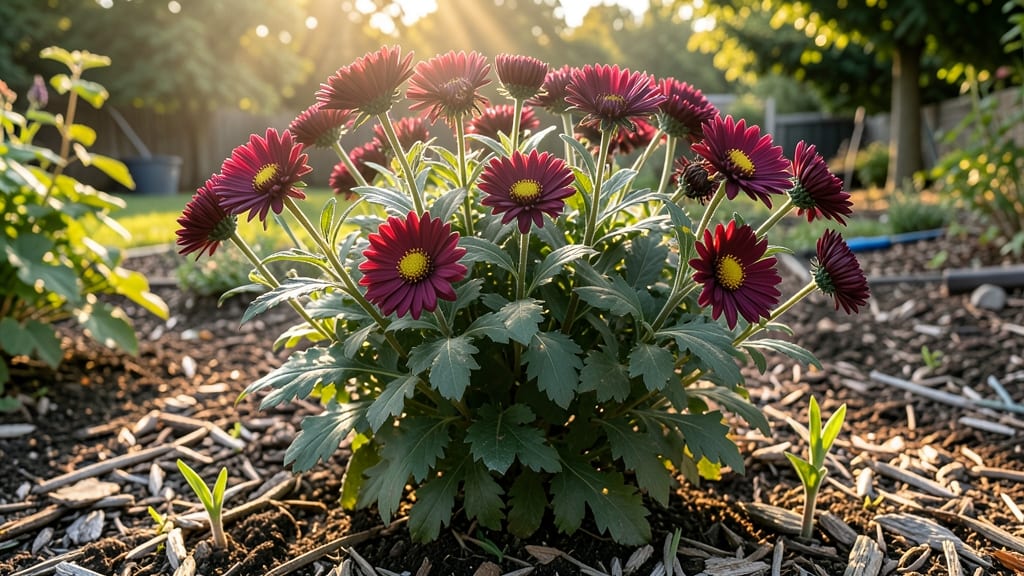
💥 Quick Answer Garden mums (Chrysanthemum) will come back each year if you plant them in well-draining soil, provide proper winter care, and select cold-hardy varieties like 'Hardy Bonanza' or 'Dwarf Mums.' Mulching and…
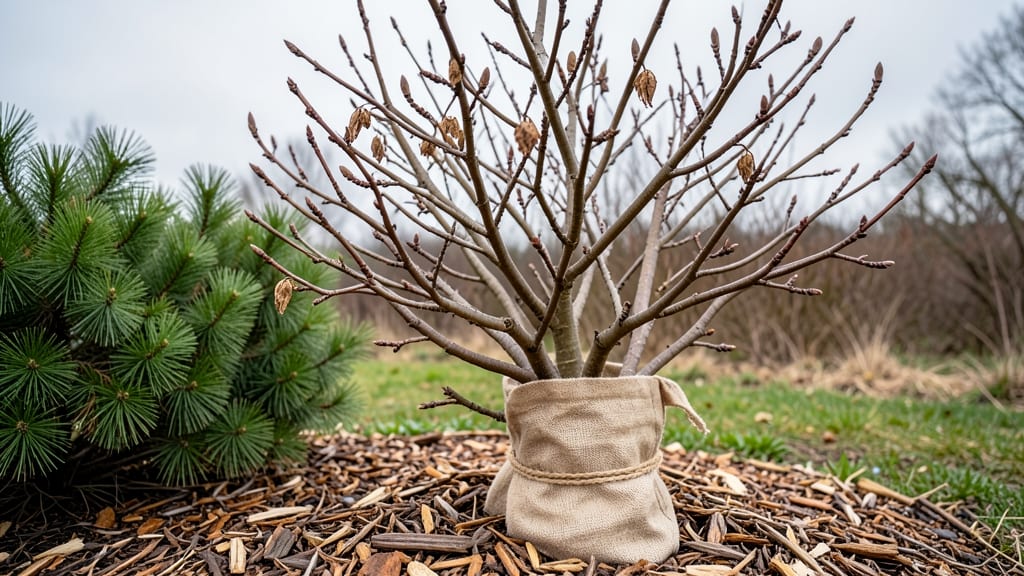
Winter protection for your garden isn’t just about survival—it’s about setting up next year’s harvest right now. Frigid winter winds and subzero temperatures can turn your thriving garden into a frozen wasteland—but with…