I remember the first time I pressed a seed into damp soil and watched it sprout—it felt like unlocking a secret. Now, I’m obsessed with sharing the quiet magic of gardening, from the thrill of a first harvest to the little tricks that make plants thrive. This site is my way of paying forward the lessons I’ve learned in my own backyard, where my hands are always dirtier than my knees.
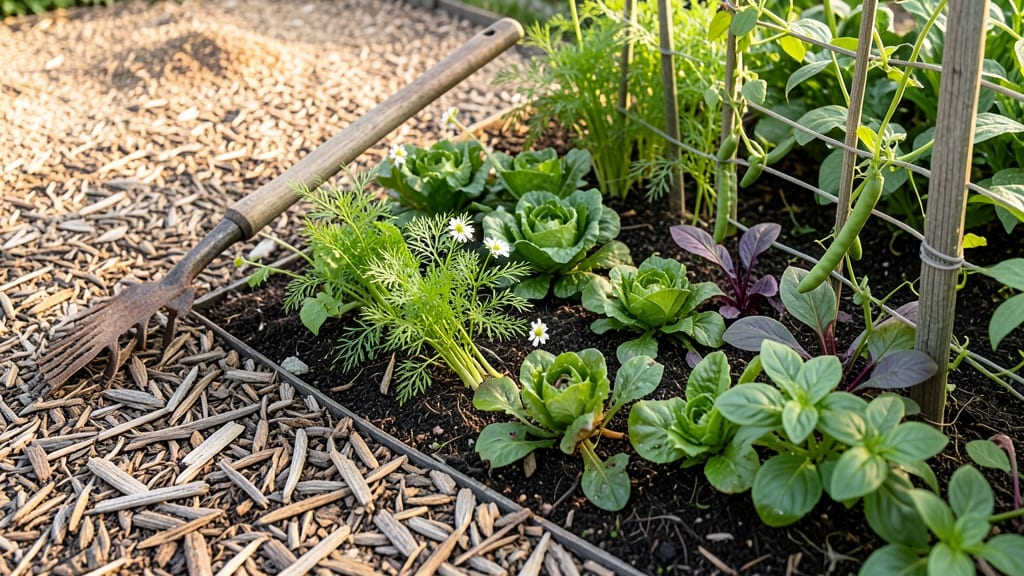
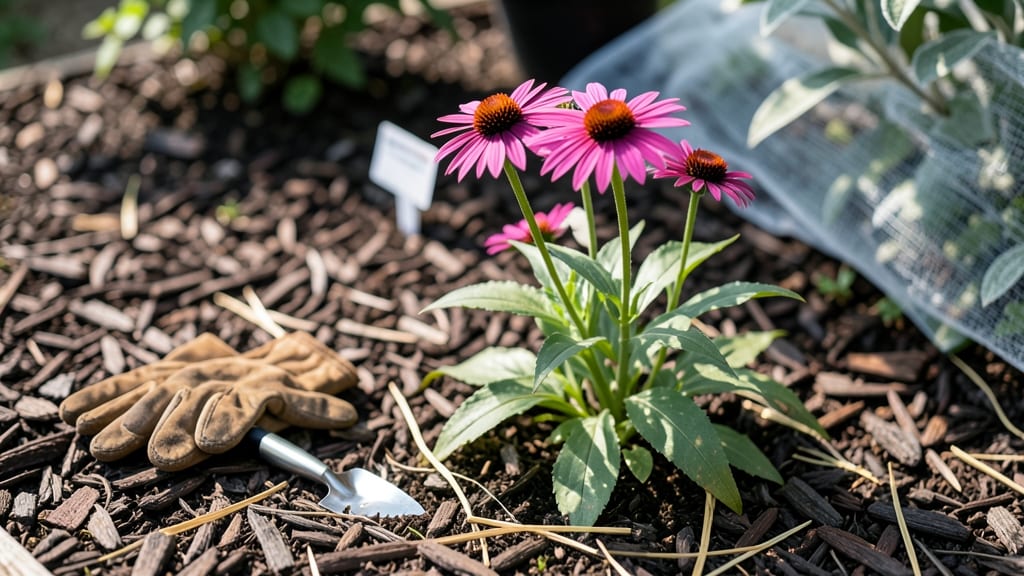
💥 Quick Answer Wood chips on vegetable gardens improve soil health by decomposing into nutrient-rich compost, blocking weeds with sunlight obstruction, and maintaining moisture while stabilizing soil temperature for…
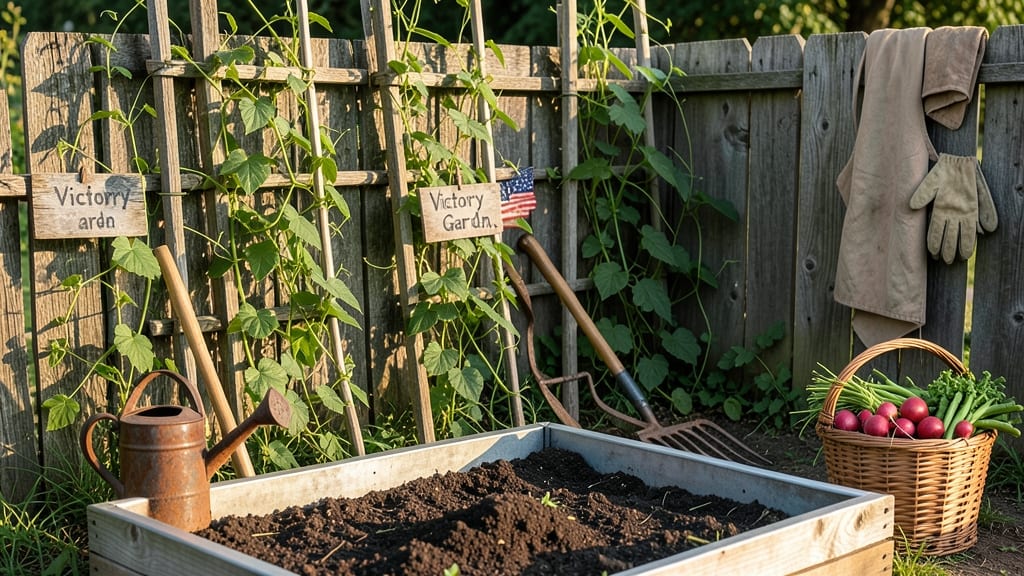
💥 Quick Answer World War One victory gardens were small-scale vegetable plots that supplied families with fresh produce during wartime food shortages, helping nations like Britain and France conserve resources for…
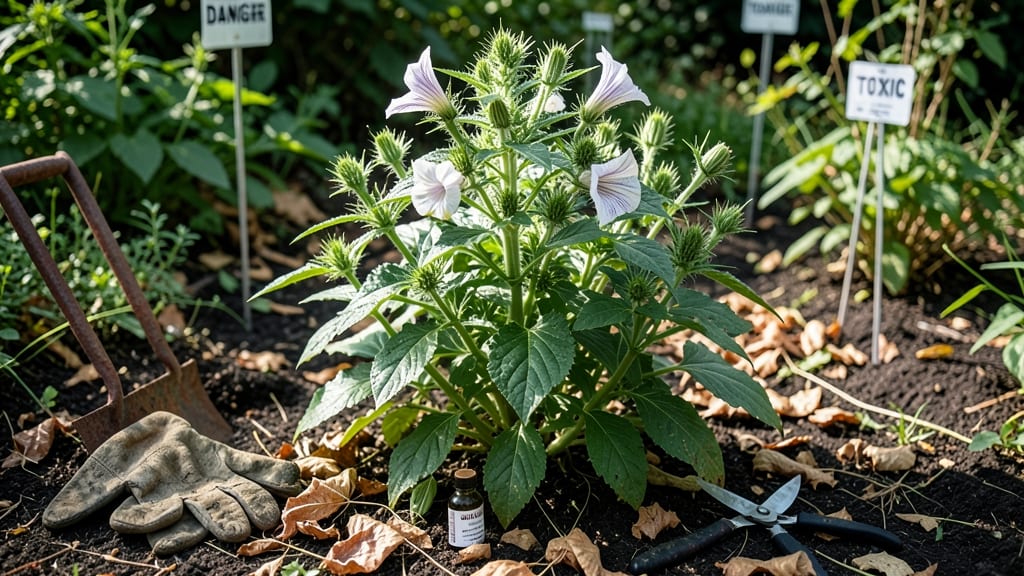
💥 Quick Answer The world's deadliest garden features deadly plants like castor beans, deadly nightshade, and oleander, whose toxins—ricin, atropine, and cardiac glycosides—can be fatal if ingested, touched, or inhaled…
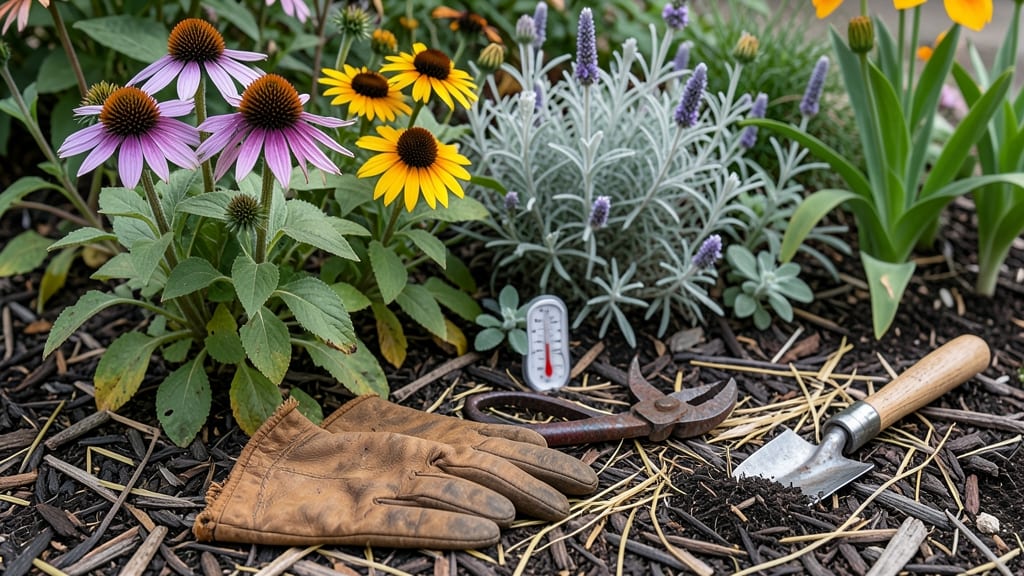
💥 Quick Answer Zone 4 gardening succeeds with frost-hardy perennials like coneflowers, hostas, and Russian sage, plus cold-tolerant annuals such as snapdragons and pansies. Protect plants by mulching heavily, using…
💥 Quick Answer Zone 5B gardening requires selecting cold-hardy plants that tolerate temperatures between -15°F and -10°F (-26°C to -23°C), with precise frost-date timing and protective mulching to shield roots during…
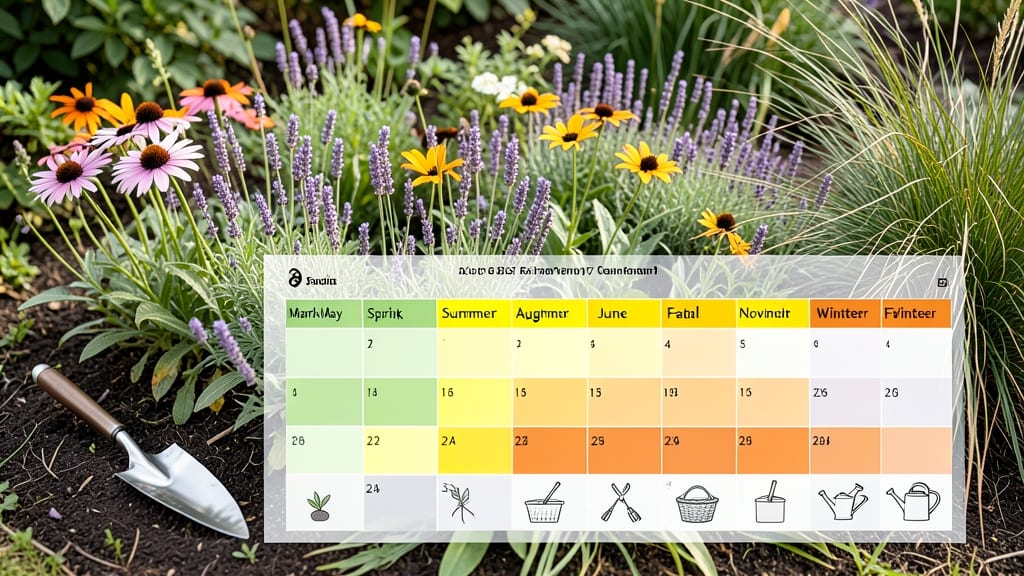
💥 Quick Answer A Zone 7 gardening calendar organizes planting and harvesting around your region’s last frost dates (mid-March to mid-November) and local microclimates, helping you time cool-season crops like spinach for…
💥 Quick Answer Synonyms for gardening include horticulture, plant cultivation, and green thumb work, while hobbyists may call it gardening, landscaping, or yard care depending on the focus and scale of the project…
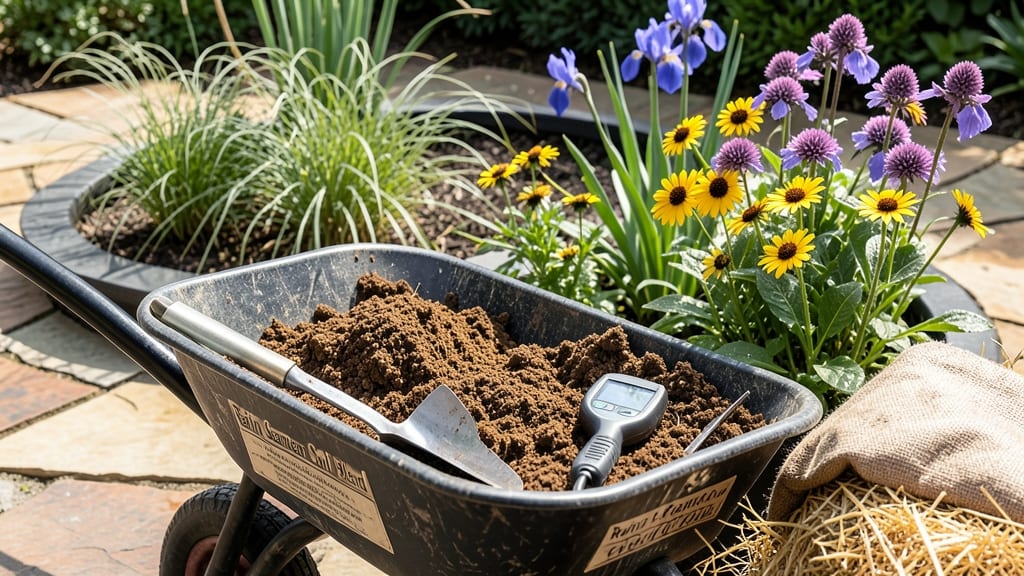
💥 Quick Answer A rain garden soil mix promotes drainage while retaining moisture by blending sandy loam, compost, and organic matter in a 50-30-20 ratio, creating an ideal foundation for native plants and erosion…
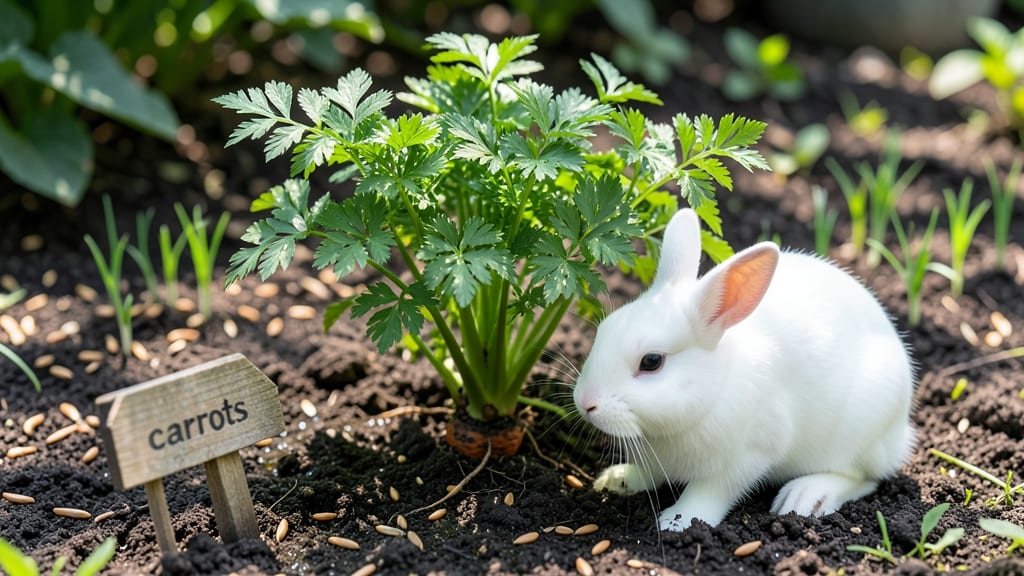
💥 Quick Answer In Grow a Garden , the bunny acts as a natural pest controller by eating weeds and unwanted plants, creating space for vegetables while enriching the soil with its droppings. This selective grazing boosts…
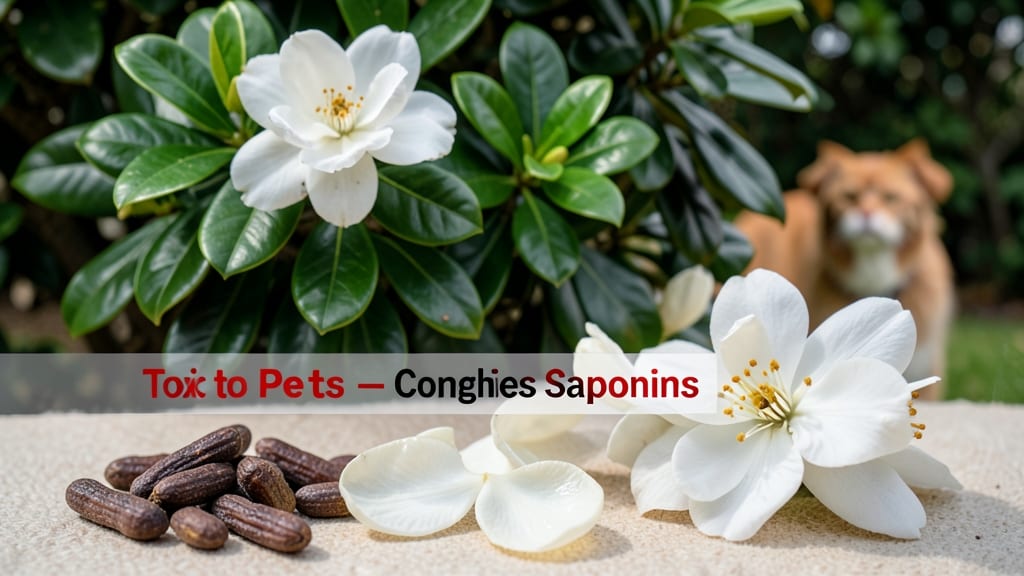
💥 Quick Answer Gardenias are toxic to pets, containing grayanotoxins that cause vomiting, diarrhea, lethargy, and drooling if ingested. Their strong fragrance can also trigger allergies in humans. Keep them out of reach…