I remember the first time I pressed a seed into damp soil and watched it sprout—it felt like unlocking a secret. Now, I’m obsessed with sharing the quiet magic of gardening, from the thrill of a first harvest to the little tricks that make plants thrive. This site is my way of paying forward the lessons I’ve learned in my own backyard, where my hands are always dirtier than my knees.
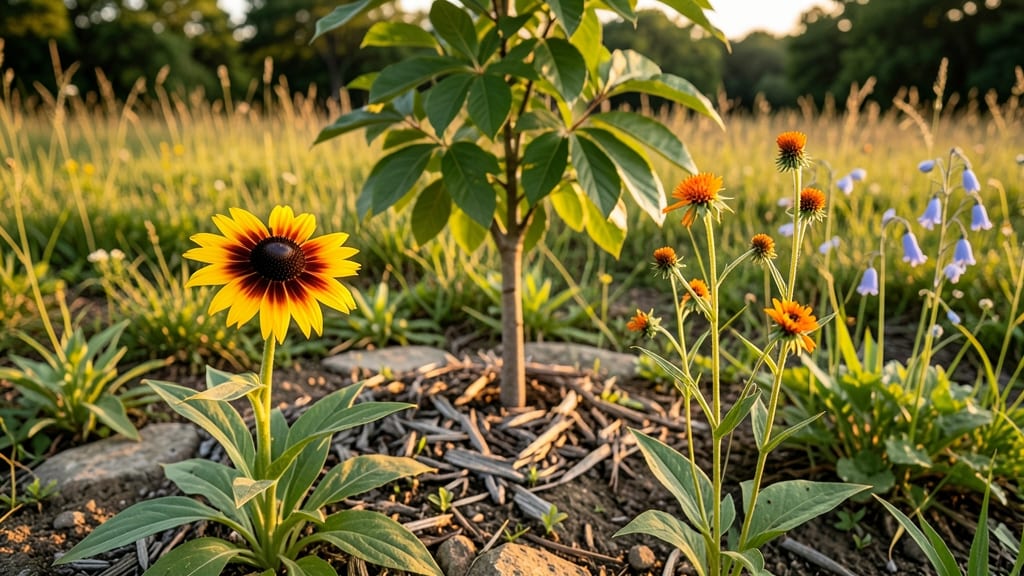
💥 Quick Answer Ohio’s gardening zones span USDA Zones 5a through 6b, with most regions—especially central and southern Ohio—landing in Zones 5b and 6a. Localized conditions like city heat or sheltered valleys can shift…
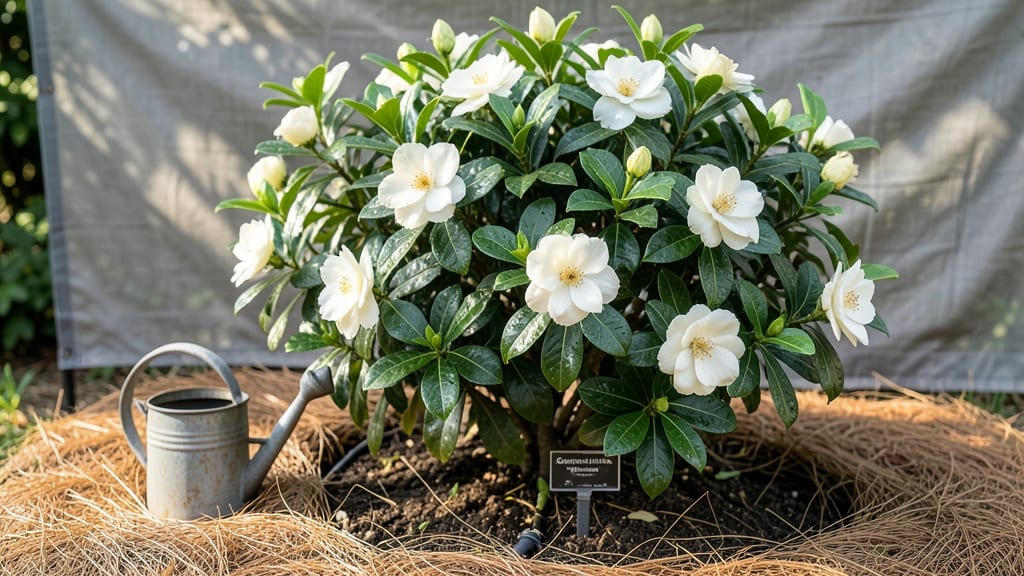
💥 Quick Answer Gardenias don't bloom all summer—they primarily flower from late spring through early fall, with their most vibrant display appearing in late spring to early summer. Climate and variety play key roles in…
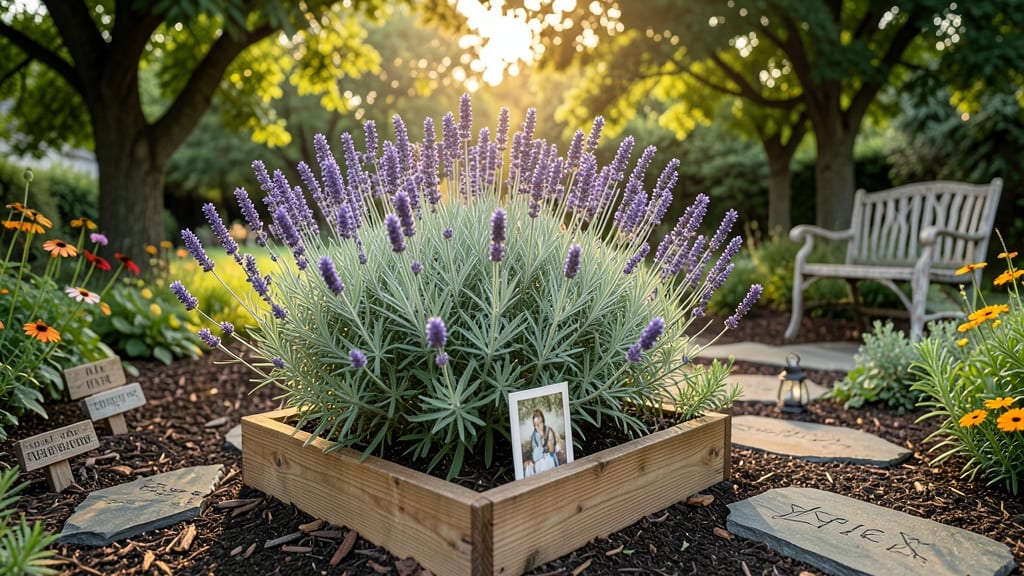
💥 Quick Answer Memory garden ideas create purposeful spaces that engage the senses and spark memories through fragrant plants, familiar blooms, and easy-to-reach textures like smooth pathways and raised planters…
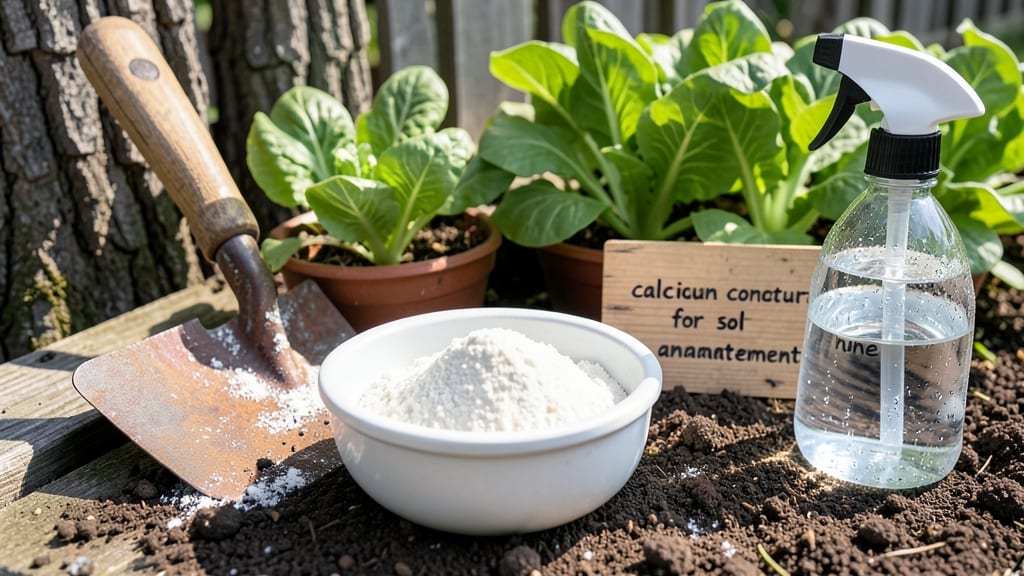
💥 Quick Answer Calcium carbonate in gardening effectively raises soil pH and neutralizes acidity, with a recommended dosage of 5–10 pounds per 100 square feet for most acidic soils. Apply evenly, water lightly, and…
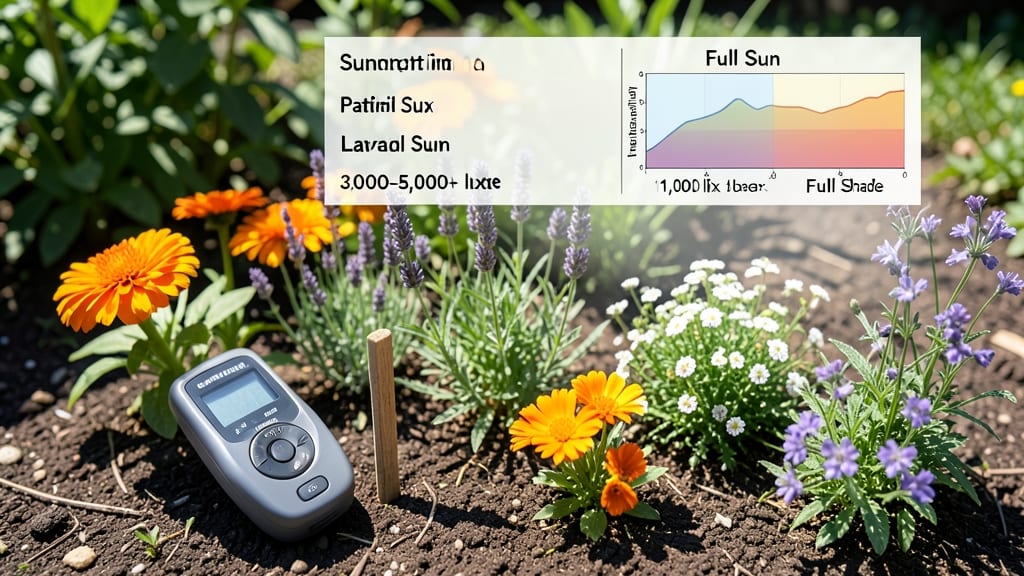
💥 Quick Answer To determine how much sun a garden needs, consider plant types: most vegetables and flowers require 6-8 hours of direct sunlight daily , while shade-loving plants like ferns and hostas thrive with 2-4…
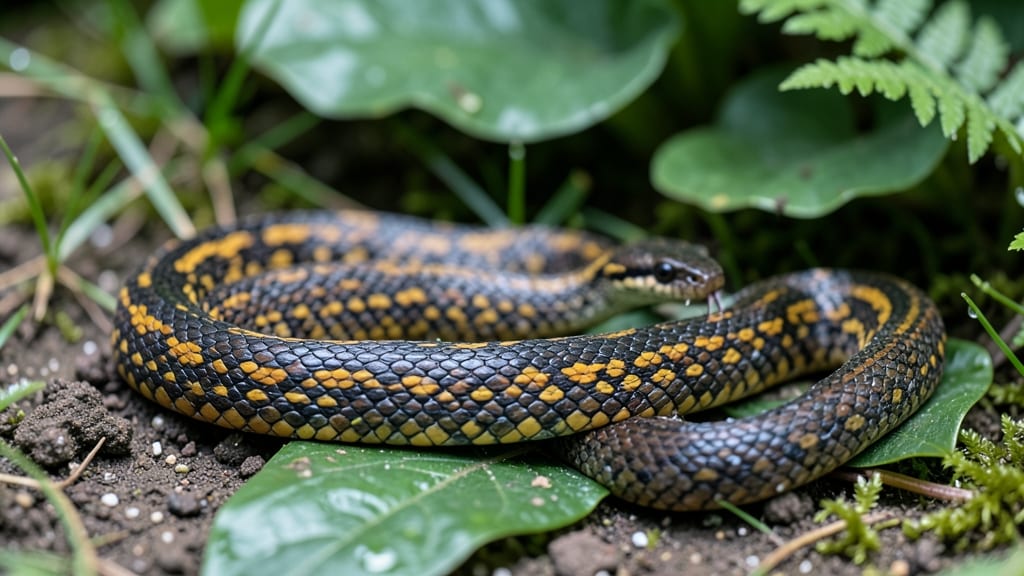
💥 Quick Answer When searching for images of garden snakes, focus on slender, non-venomous species like the common garter snake (striped, 18-26 inches) or rat snake (smooth scales, 3-6 feet), which typically appear in…
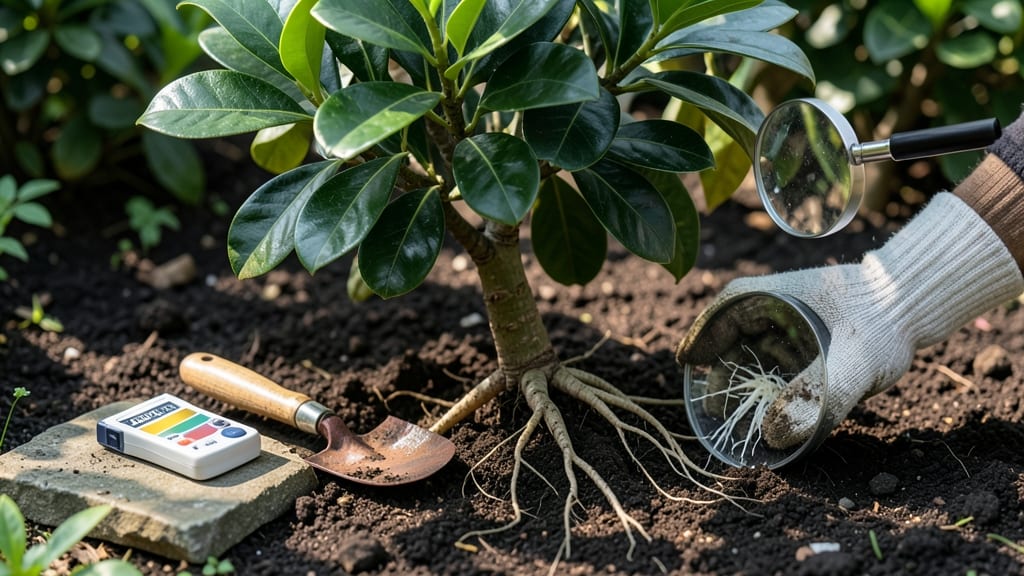
💥 Quick Answer The gardenia root system spreads horizontally with shallow, fibrous roots that create a dense network for efficient moisture and nutrient absorption while anchoring the plant securely. These delicate…
💥 Quick Answer Garden Zone 7 covers a broad climate range where winter lows typically fall between 0°F and 10°F (-18°C to -12°C), making it ideal for growing perennials like roses, fruit trees, and hydrangeas…
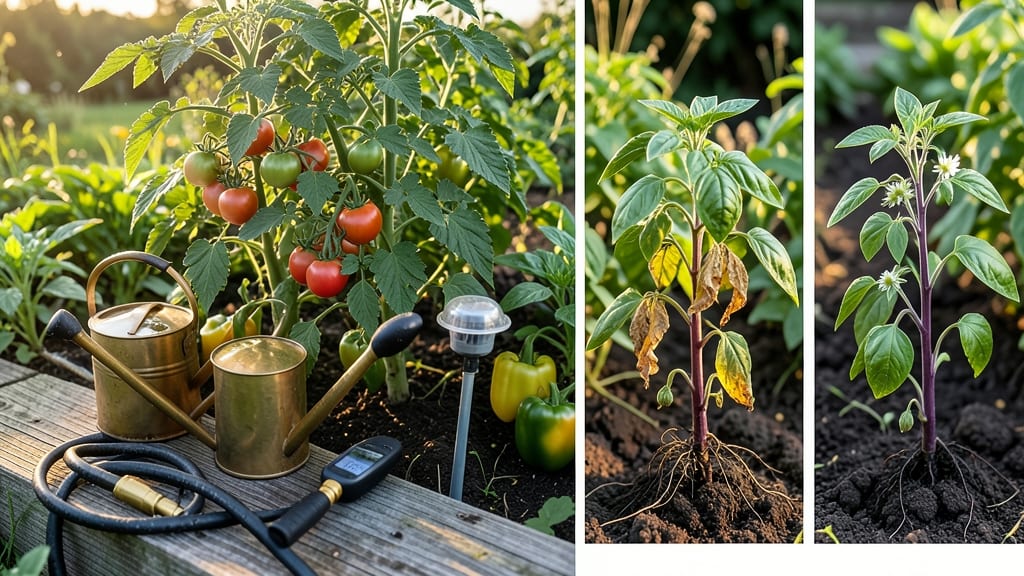
💥 Quick Answer Watering your garden every day in hot weather is unnecessary and can harm plants by drowning roots, promoting fungal growth, and wasting water—instead, water deeply 2-3 times weekly to encourage strong…
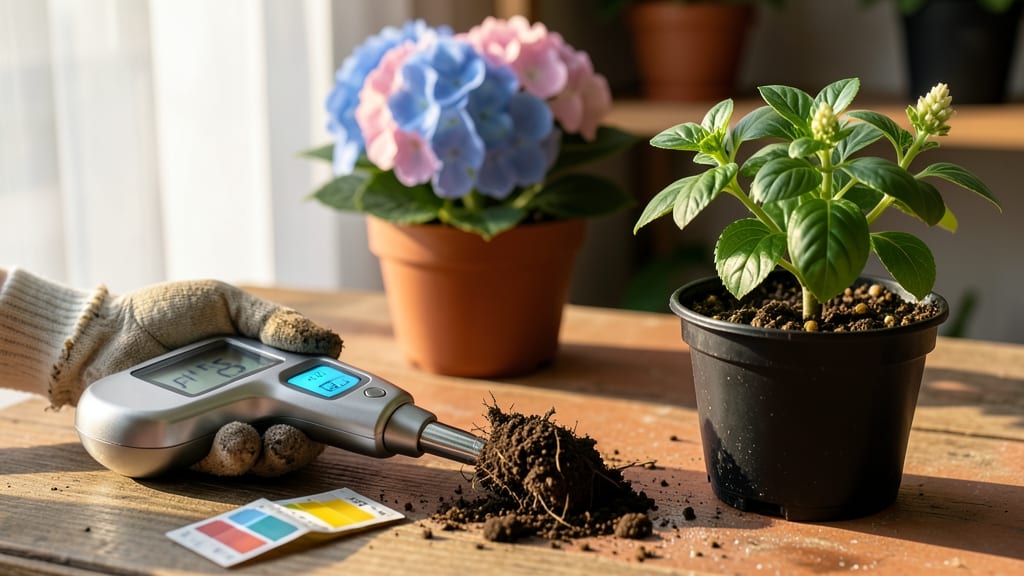
💥 Quick Answer A garden pH meter helps you test soil acidity or alkalinity by calibrating the probe, inserting it into moist soil, waiting for a stable reading, and comparing it to your plants' ideal range—usually 6.0…